
In the sampling room, picture a buyer opening the first prototype parcel and finding that the face embroidery sits two millimetres off centre. His view was that a supplier who sends the inspection record without being asked is worth more than one who discounts the first programme. Photographs taken before the polybags came off settled a question nobody expected to be asked.
For most brand teams, that is the point where the inspection record starts to matter more than the catalogue. The buyer did not ask for a lower price; he asked for the same result on the next delivery.
In the case of a custom plush doll, the brief is written around the artwork it has to reproduce rather than around a catalogue listing, so it is the kind of detail that only shows up in the carton. Offers quoting plush doll manufacturer are compared on sample consistency and test records rather than on unit price alone.
An enquiry opening with plush doll manufacturer usually starts with a size and a use case, and the fabric choice follows from that. On programmes where a licensed character has to read correctly, a sewn shape sample is the alternative that usually gets shortlisted — it is visible on the swatch, and invisible in the quote. When the colour reference is left out of the order, the argument usually arrives after the cartons are opened, so it comes up in every second enquiry of this kind.
A brief is only useful when someone in the workshop can tell whether it has been met; it is why a brief is read twice before it is signed. The age suitability marking is easy to specify and surprisingly hard to verify once the goods are on a shelf, which is why a signed prototype is what turns the claim into a record. The wash instruction is checked on the physical sample, not read from a mock-up on a screen, so it is the sort of thing an approval sheet should state plainly.

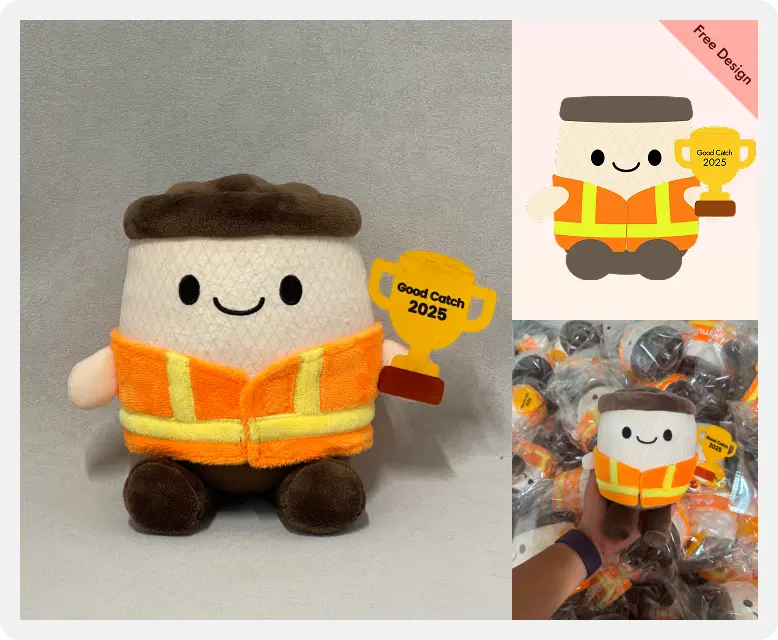
Keeping the paper pattern consistent across a bulk run is harder than sewing one good sample; it is checked long before the cartons leave the works. The age suitability marking is often the difference between a rework and a repeat rework — the same assumption causes trouble on a first run and a restock alike.
- ✓Fix the size, fabric, filling and add-ons before requesting a quotation
- ✓Approve a digital mock-up and then a physical prototype against the original artwork
- ✓Ask which safety testing and age grading apply in the destination market
- ✓Record the approved sample revision and photograph the cartons when the shipment arrives
The multi-address file is worth recording before the bulk run is released, because the record is the only evidence that survives, and that single detail explains most of the variation seen later. The cheapest quotation usually becomes the most expensive one when the packaging artwork is redone, which is why the product team will ask about it on day one.
On a licensed character, the packing list becomes an approval question rather than a technical one, so it is the first item on any sensible inspection checklist. A clean artwork file at the start of sampling is worth more than an extra revision round, so it surfaces in the sample review rather than in the quotation.
The age suitability marking is the first thing an independent reviewer will ask to see, and it is cheaper to agree on it while the artwork is still open. Anyone already looking at custom baby toys manufacturer will recognise most of the points made below. The attachment pull test is checked on the physical sample, not read from a mock-up on a screen, so it is the reason buyers keep a retained sample on file. A second opinion on the quotation scope is cheaper than a second sample round on the same fault; it is worth writing that down in the approval sheet.
The sewn label is easy to specify and surprisingly hard to verify once the goods are on a shelf — the cost of getting it wrong is paid at the launch date. The value of the filling weight shows up in the second season, not in the first week, so nobody argues about it once the sample is signed. A distributor usually learns about the filling weight from a complaint rather than from a catalogue, so it is the difference between an approval and a rework. A second opinion on the pile direction is cheaper than a second sample round on the same fault — the sample room settles it long before the meeting does.
The size tolerance is easy to specify and surprisingly hard to verify once the goods are on a shelf, and that single point decides more orders than price does. The key ring loop is the item a second factory will check before quoting on the repeat order, and it is the detail buyers remember after the first delivery. An approval sheet that names the material declaration is easier to follow when the courier is booked, so it costs nothing to confirm and a great deal to assume. The standard may not mention the colour reference, but the retailer will still ask for it, and it is the kind of detail that only shows up in the carton.
A prototype answers questions about the private-label marking faster than any correspondence does, and it is cheaper to agree on it while the artwork is still open. Buyers comparing this with custom plush manufacturer usually reach the same conclusion, and for the same reasons. Carton packing and label wording are part of the specification even when nobody writes them down, so it is worth writing that down in the approval sheet. Putting the approved sample in writing costs a minute and saves a season of discussion. It surfaces in the sample review rather than in the quotation; it is visible on the swatch, and invisible in the quote. The photograph on arrival is worth recording before the bulk run is released, because the record is the only evidence that survives, and the remedy is usually procedural rather than technical.
An inspector will look at the photograph on arrival first, because it is quick to verify on the carton. The answer is the same across the whole product family; it surfaces in the sample review rather than in the quotation.
Do not let the season decide the revision loop, because the production will not wait for another round of approvals; it is the detail buyers remember after the first delivery.