
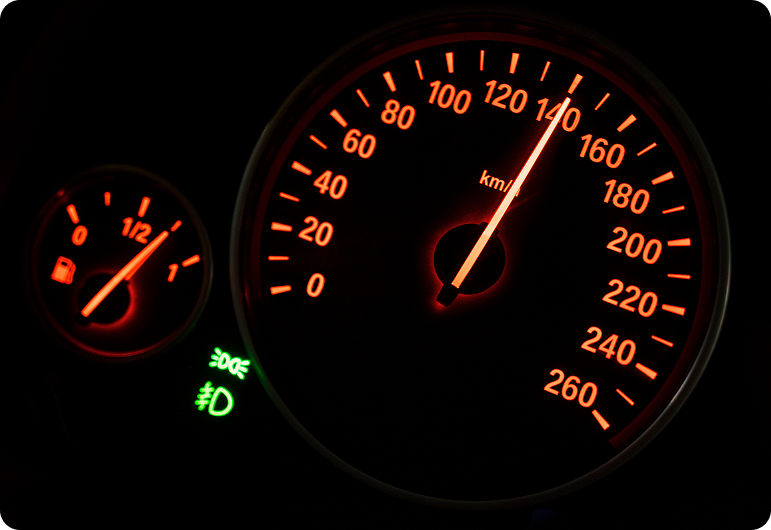
If you’re a driver in Raleigh, NC, you’ve probably had that moment when the check engine light (CEL) suddenly pops up on your dashboard. At first, it’s easy to brush it off—maybe you think it’s no big deal. But as time goes on, the little glowing symbol becomes more and more of a worry. What if it’s something serious? Is your car in trouble? Do you need to rush to the mechanic?
Relax! Understanding what’s going on with your car’s check engine light and how to handle it is essential for maintaining the health of your vehicle and avoiding unexpected repairs down the road. In this article, we’ll break down what that light really means, why it’s important to address it, and how to find reliable diagnostic services in Raleigh to keep your car running smoothly.
What Does the Check Engine Light Actually Mean?
The check engine light is part of your vehicle’s onboard diagnostic system (OBD), a system that continuously monitors your car’s engine and emission systems. The CEL comes on when this system detects an issue—anything from a small glitch to a major mechanical failure.
While the check engine light might seem ominous, it doesn’t necessarily mean your car will break down immediately. The light could signal something as minor as a loose gas cap or as significant as a failing catalytic converter. But regardless of the cause, it’s a warning that shouldn’t be ignored.
Common Reasons for a Check Engine Light in Raleigh
When that pesky check engine light pops up, it’s important to know that it could mean any number of things. Some issues are simple, while others might require more intensive repairs. Here’s a breakdown of some of the most common reasons your check engine light might turn on:
-
Loose or Broken Gas Cap:
A loose or cracked gas cap is one of the most frequent culprits behind a check engine light. If the gas cap isn’t tightened properly, fuel vapors can escape, triggering the sensor and causing the light to come on. Thankfully, this is an easy fix! -
Oxygen Sensor Failure:
The oxygen sensor measures the amount of oxygen in your car’s exhaust system. If it fails, it can throw off your vehicle’s air-to-fuel ratio, affecting both performance and fuel efficiency. It’s one of the most common reasons for the check engine light to appear, and replacing it is usually straightforward. -
Faulty Catalytic Converter:
The catalytic converter helps reduce harmful emissions. When it fails, it can cause a significant drop in your car’s performance and fuel efficiency. It’s a more serious issue that requires immediate attention, but fortunately, it’s relatively rare. -
Malfuctioning Mass Air Flow Sensor:
The mass air flow (MAF) sensor measures how much air is entering your engine. If it fails, your engine could receive too much or too little fuel, which can cause rough idling, poor acceleration, and even damage to the engine. -
Spark Plug or Wires Failure:
Spark plugs ignite the air-fuel mixture inside your engine. If the spark plugs or wires are faulty, you may experience misfires, rough idling, and poor fuel efficiency. This is another common cause for the check engine light to come on. -
Transmission Issues:
Though not as frequent, transmission issues can trigger the check engine light. Transmission problems can be complicated and expensive, so if your light comes on and your car is struggling to shift, get it checked as soon as possible.
The Check check engine light diagnostic Raleigh NC Light Diagnostic Process in Raleigh
So, the check engine light is on—now what? Taking your car in for a professional diagnostic check is the best way to pinpoint the problem. Here’s how the process works:
-
OBD-II Scanner to Read the Codes:
The first step in diagnosing the issue is using an OBD-II scanner. This device connects to your car’s onboard computer to retrieve error codes that will tell the technician exactly what’s going wrong. These codes are like a secret language that helps mechanics quickly understand the root of the issue. -
A Comprehensive Inspection:
After reading the codes, a skilled mechanic will often perform a visual inspection of the engine and related components. They’ll check things like the gas cap, wiring, sensors, and other components that might be contributing to the issue. -
Test Drive and Monitoring:
Once the initial diagnosis is made, the mechanic may clear the error codes and take the car for a test drive to see if the light comes back on. This allows them to test the vehicle under real driving conditions, ensuring they’ve identified the right problem. -
Final Repair and Recommendations:
After the diagnostic process, the mechanic will explain the issue to you and offer recommendations for repairs. If something simple like a loose gas cap is the problem, it’s a quick fix. But if the issue is more complex, like a failing catalytic converter, the mechanic will provide a cost estimate for the necessary repairs.
Why You Shouldn’t Ignore the Check Engine Light in Raleigh
While the check engine light may not seem urgent at first glance, ignoring it can lead to bigger problems down the road. Here’s why you should take action as soon as that light comes on:
-
Prevent Bigger Problems: Some minor issues, like a faulty oxygen sensor, can lead to more significant and costly repairs if not addressed. For example, ignoring an oxygen sensor failure can eventually damage the catalytic converter, which is much more expensive to replace.
-
Save Money on Fuel: A poorly running engine often burns more fuel. A malfunctioning component like the mass airflow sensor or spark plugs can decrease your car’s fuel efficiency, costing you more at the pump.
-
Avoid Safety Hazards: Some engine issues can affect your car’s overall performance and safety. A misfire, for instance, can lead to a rough ride or even cause your vehicle to stall, creating a dangerous situation on the road.
-
Maintain Your Vehicle’s Value: Regular maintenance, including diagnosing check engine light issues promptly, helps keep your car in optimal condition. This is essential for preserving your vehicle’s resale value in the future.
How to Find the Best Check Engine Light Diagnostics in Raleigh, NC
When it comes to getting your vehicle diagnosed, you want to find a trusted mechanic in Raleigh who has the expertise and tools to get the job done right. Here are some tips to help you choose the best service:
-
Look for Reviews: Check online reviews and ask for recommendations from friends or family to find a reputable auto repair shop in Raleigh.
-
Check Certifications: Ensure that the mechanic is ASE (Automotive Service Excellence) certified. This certification means the technician has passed tests and is qualified to handle your car’s issues.
-
Get a Written Estimate: A professional shop will provide a detailed estimate of the repairs needed before beginning any work. This gives you a clear picture of the costs and helps you make an informed decision.
-
Ask About Warranties: A trustworthy shop will offer warranties on their repairs, giving you peace of mind that if something goes wrong, you’re covered.
In Conclusion
The check engine light might seem like a small inconvenience, but it’s an essential warning system that shouldn’t be ignored. Whether you’re in Raleigh, NC, or elsewhere, addressing the issue early can save you time, money, and stress in the long run. Regular diagnostic checks help keep your car running smoothly, prevent costly repairs, and ensure your safety on the road. So, the next time that little light appears, don’t hesitate—get it checked, stay proactive, and keep your vehicle in top shape!