
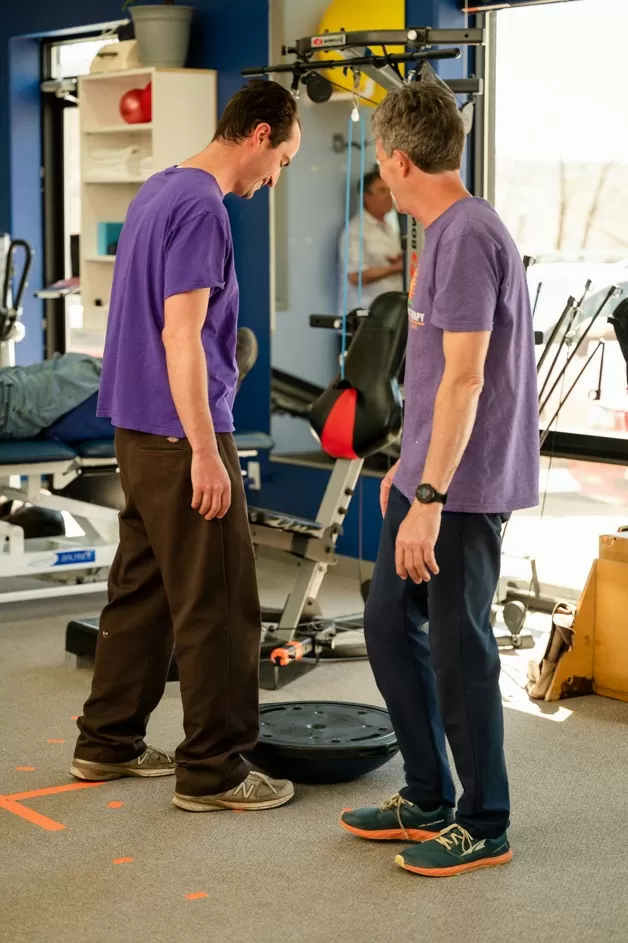
You’re tired of living with chronic pain, and you’re not alone. Millions of people struggle with persistent discomfort, often relying on pain medication to get through the day. But what if you could break free from that cycle and find lasting relief without surgery? Physical therapy offers a powerful solution, addressing the underlying causes of your pain and promoting long-term healing. By understanding the root causes of your discomfort, you can start to rebuild strength, mobility, and confidence – and that’s just the beginning.
Understanding Chronic Pain
Living with chronic pain can be a frustrating and debilitating experience, leaving you feeling helpless and unsure of what to do next.
It’s a constant reminder that your body isn’t functioning the way it should, and it can be overwhelming. You’re not alone in this struggle; millions of people worldwide live with chronic pain, and it’s essential to understand that it’s not just about the pain itself, but how it affects your daily life.
Chronic pain can stem from various sources, such as injuries, illnesses, or conditions like arthritis, fibromyalgia, or nerve damage.
It can manifest as ongoing discomfort, stiffness, or soreness in your muscles, joints, or bones. You might experience flare-ups, which can be triggered by certain activities, emotions, or even changes in the weather.
The impact of chronic pain goes beyond physical symptoms; it can also affect your mental and emotional well-being, leading to anxiety, depression, and social isolation.
Understanding the complexity of chronic pain is crucial in finding effective ways to manage it and improve your quality of life.
How Physical Therapy Works
As you begin to explore treatment options for chronic pain, you may find yourself considering physical therapy. But have you ever wondered how it actually works?
Physical therapy is a hands-on approach that focuses on identifying and addressing the underlying causes of your pain. When you start physical therapy, your therapist will conduct a thorough evaluation to understand your unique condition.
They’ll assess your posture, movement patterns, strength, flexibility, and range of motion to pinpoint areas of dysfunction.
Based on their findings, your therapist will create a personalized treatment plan tailored to your specific needs. This may include exercises to strengthen or stretch specific muscle groups, manual therapy to improve joint mobility, or modalities like heat or cold therapy to reduce pain and inflammation.
Through a combination of these techniques, physical therapy aims to restore normal movement patterns, reduce pain, and improve your overall function. By addressing the root causes of your pain, physical therapy can help you achieve long-term relief and improved quality of life.
Benefits of Physical Therapy
Regularly, people who undergo physical therapy for chronic pain report a significant reduction in their symptoms.
You’ll experience improved mobility and flexibility, which will enable you to perform daily activities with greater ease. With physical therapy, you’ll also notice a decrease in your reliance on pain medication, which can have negative side effects and lead to addiction.
Additionally, physical therapy helps you develop better posture, reducing strain on your muscles and joints, and promoting overall well-being.
As you progress through physical therapy, you’ll become more aware of your body and better equipped to manage your chronic pain.
You’ll learn techniques to reduce pain and inflammation, such as heat therapy, cold therapy, and relaxation exercises. By incorporating these techniques into your daily routine, you’ll be able to control your chronic pain and improve your quality of life.
With the guidance of a physical therapist, you’ll regain control over your body and your life, enabling you to enjoy activities you thought were lost to chronic pain.
Common Conditions Treated
You’ll find that physical therapy is effective in managing a wide range of chronic pain conditions. From headaches and migraines to lower back pain and sciatica, physical therapists can help you alleviate discomfort and improve your overall quality of life.
If you’re struggling with fibromyalgia, arthritis, or tendinitis, physical therapy can provide relief from stiffness and pain. Even conditions like complex regional pain syndrome and neuropathic pain can be effectively managed with the right physical pt therapy program.
Physical therapy can also help you recover from injuries, such as whiplash or sprains, and reduce the risk of future injuries.
Additionally, it can be beneficial for managing pain associated with post-surgical scars, burns, and amputations. By identifying the underlying causes of your pain and developing a personalized treatment plan, physical therapists can help you achieve long-term pain relief and improved function.
With physical therapy, you can take control of your chronic pain and start living the life you want.
Getting Started With PT
One in five people suffers from chronic pain, and taking that first step towards managing it can be daunting.
You might be wondering where to start, what to expect, and whether physical therapy is right for you.
Rest assured, getting started with physical therapy (PT) is a straightforward process.
You’ll begin by scheduling an initial evaluation with a licensed physical therapist.
During this session, they’ll ask about your pain, medical history, and goals.
Be prepared to share details about your symptoms, such as when they started, how long they last, and what triggers or relieves them.
This information helps your therapist create a personalized treatment plan tailored to your unique needs.
Next, your therapist will perform a physical examination, assessing your strength, flexibility, and range of motion.
They might also use specialized tests to identify underlying conditions contributing to your pain.
Don’t worry – this evaluation is pain-free and non-invasive.
Conclusion
You’ve taken the first step towards reclaiming your life from chronic pain. By choosing physical therapy, you’re opting for a non-surgical solution that addresses the root causes of your discomfort. With a personalized treatment plan, you’ll regain control of your daily life, reduce your reliance on pain meds, and improve your overall well-being. It’s time to break free from chronic pain and start living the life you deserve.