
How Addiction Treatment Helps Rebuild a Fulfilling and Healthy Life

Addiction is a complex and multifaceted condition that affects millions of people worldwide. It can damage relationships, hinder personal growth, and diminish physical and mental well-being. However, addiction treatment offers a pathway to recovery, providing individuals with the necessary tools and support to rebuild a fulfilling and healthy life. In this article, we explore how addiction treatment helps people regain control of their lives and move toward a brighter future.
Understanding Addiction Treatment
Addiction treatment refers to a structured program designed to help individuals overcome substance use disorders or behavioral addictions. These programs can vary in approach, including therapy, counseling, medication, and support groups. Whether through inpatient or outpatient care, addiction treatment focuses on addressing the root causes of addiction, providing emotional and psychological support, and helping individuals learn healthier coping mechanisms.
The Role of Professional Support in Addiction Treatment
One of the key components of addiction treatment is professional support. A team of medical professionals, including doctors, therapists, and counselors, work closely with individuals to assess their unique needs and create a personalized treatment plan. This support system helps individuals gain a deeper understanding of their addiction and its impact on their lives. Through counseling sessions and therapy, individuals can uncover underlying emotional and psychological issues that may contribute to their addiction, such as trauma, anxiety, or depression.
Therapeutic interventions, such as Cognitive Behavioral Therapy (CBT) and Dialectical Behavior Therapy (DBT), provide individuals with valuable tools to recognize and challenge harmful patterns of thinking and behavior. These therapies teach individuals how to cope with stress, triggers, and cravings, empowering them to make healthier decisions in the future. By addressing both the psychological and emotional aspects of addiction, treatment fosters long-term recovery.
Building Stronger Relationships
Addiction often isolates individuals from their loved ones, eroding trust and creating emotional distance. In many cases, relationships with family members, friends, and colleagues suffer due to the behaviors associated with addiction. Addiction treatment plays a crucial role in rebuilding these relationships by fostering open communication and trust.
Through family therapy and support groups, individuals can work with their loved ones to address the impact of addiction on their relationships. These therapeutic settings provide a safe space for family members to express their feelings, learn about the dynamics of addiction, and rebuild trust. By involving family and close friends in the treatment process, individuals can receive the emotional support necessary for lasting recovery.
Restoring Mental and Physical Health
Addiction takes a significant toll on both mental and physical health. Individuals struggling with addiction often experience fatigue, poor nutrition, and a weakened immune system, leading to increased health risks. Moreover, addiction can exacerbate mental health conditions such as anxiety, depression, and insomnia. As a result, addiction treatment focuses on restoring both physical and mental well-being.
Medically supervised detoxification may be the first step in treatment, allowing individuals to safely rid their bodies of harmful substances. After detox, ongoing care addresses both the physical and psychological aspects of recovery. Exercise, healthy nutrition, and stress-management techniques are incorporated into many addiction treatment programs to help individuals regain their strength and resilience.
Additionally, medication-assisted treatment (MAT) can be used for certain types of addiction, such as opioid or alcohol addiction. MAT helps manage withdrawal symptoms and cravings, making the recovery process more manageable and less physically painful.
Empowering Individuals for a Successful Future
The ultimate goal of addiction treatment is to equip individuals with the tools and mindset needed to lead a fulfilling, healthy, and substance-free life. Through the development of coping skills, emotional regulation techniques, and stress-management strategies, individuals gain the confidence to face challenges without turning to substances. Support groups, such as Narcotics Anonymous or Alcoholics Anonymous, provide ongoing community and encouragement, helping individuals stay committed to their recovery journey.
Moreover, addiction treatment helps individuals rediscover their passions, set goals, and engage in meaningful activities that promote personal growth. By focusing on creating a life of purpose, individuals can build a future that is more rewarding and enjoyable than their past experiences with addiction.
Conclusion
Addiction treatment plays a vital role in rebuilding a fulfilling and healthy life. By offering professional support, restoring physical and mental health, and empowering individuals with the skills needed to cope with life’s challenges, addiction treatment provides a path to recovery. Although the journey to sobriety can be difficult, the rewards of a fulfilling, healthy life are within reach for those who commit to their recovery. With the right treatment and support, individuals can overcome addiction and live a life of renewed purpose and joy.
CIPD Level 5 Assignment Help Master Your HR Studies With Confidence

As you pursue your HR studies, you’re likely aware of the significance of acing your CIPD Level 5 assignments. But let’s face it – these assignments can be daunting, and the pressure to perform can be overwhelming. You’re not alone in this struggle. Many learners like you have grappled with complex HR concepts, struggled to meet tight deadlines, and felt uncertain about their writing skills. What if you could overcome these challenges and emerge as a confident HR professional? You’re about to discover how expert guidance and online resources can help you master your HR studies and unlock your full potential.
Understanding CIPD Level 5 Requirements
Pursuing a CIPD Level 5 certification requires a thorough understanding of the program’s requirements, as this foundational knowledge sets the tone for a successful learning journey.
You’ll need to familiarize yourself with the program’s structure, which typically consists of seven modules, each focusing on a specific aspect of HR and L&D.
It’s essential to understand the learning outcomes, assessment criteria, and the number of credits required to achieve the certification.
You should also be aware of the recommended study hours, which can vary depending on your prior experience and knowledge.
Additionally, you’ll need to understand the different types of assignments, such as written assignments, work-based projects, and professional discussions, as well as the submission requirements and deadlines.
Furthermore, you should be aware of the CIPD’s evidence requirements, including the type of evidence needed to support your assignments and how to present it effectively.
Overcoming Assignment Writing Challenges
Many CIPD Level 5 learners face significant hurdles when it comes to assignment writing, which can hinder their progress and overall success.
You’re not alone if you’re struggling to articulate your ideas, manage your time, or meet the required word count. These challenges can lead to frustration, anxiety, and a sense of overwhelm.
To overcome these challenges, you need to develop a solid understanding of the assignment requirements and the marking criteria.
Break down the assignment into manageable tasks, and create a realistic timeline to stay on track.
It’s essential to conduct thorough research, organize your thoughts, and structure your writing in a clear and coherent manner.
Additionally, make sure you’re familiar with the required tone, style, and format.
Don’t be afraid to seek help from your tutors, peers, or online resources if you’re struggling.
Remember, effective time management, critical thinking, and analytical skills are crucial to producing high-quality assignments that meet the CIPD standards.
With persistence, patience, and practice, you can overcome these challenges and achieve academic success.
Expert Guidance for HR Assignments
About 70% of CIPD Level 5 learners struggle with HR assignments, and you’re likely one of them. But don’t worry, you’re not alone, and we’re here to help.
Our expert guidance can make a significant difference in your HR studies. With years of experience in CIPD Level 5 assignment help, our team of experts has a deep understanding of what’s required to excel in HR assignments.
They’ll work closely with you to identify areas where you need improvement and provide tailored guidance to overcome those challenges.
Our experts will help you develop a clear understanding of HR concepts, theories, and models, and show you how to apply them to real-world scenarios.
They’ll also assist you in developing essential skills such as critical thinking, analysis, and problem-solving, which are crucial for success in HR assignments.
With their guidance, you’ll be able to tackle complex HR assignments with confidence, submit high-quality work, and achieve your academic goals.
Achieving Academic Excellence Online
You’re just a few clicks away from achieving academic excellence online. With the vast array of digital resources available, you can access top-notch study materials, expert tutors, and interactive learning tools from the comfort of your own home.
This flexibility allows you to create a personalized study schedule that suits your learning style and pace.
As you navigate the online learning landscape, you’ll discover a wealth of CIPD Level 5 assignment help resources.
From video lectures and podcasts to online forums and webinars, you’ll have access to a diverse range of study aids that cater to different learning preferences.
Moreover, you can connect with fellow students and industry experts, fostering a sense of community and collaboration that’s essential for academic success.
Boosting Confidence in HR Studies
By leveraging online resources to achieve academic excellence, you’re well on your way to boosting confidence in HR studies.
You’ve taken the first step towards mastering your CIPD Level 5 assignments, and now it’s time to build on that momentum. With each successful assignment, you’ll feel more confident in your abilities, and that confidence will translate to your professional life as an HR practitioner.
As you continue to excel in your studies, you’ll develop a deeper understanding of HR principles and practices.
You’ll be able to apply theoretical concepts to real-world scenarios, and that’s when the magic happens. You’ll start to see the impact you can have on organizations and the people within them.
Your growing confidence will empower you to take on more responsibilities, tackle complex HR challenges, and make a meaningful difference in your workplace.
Conclusion
You’ve got this! With expert guidance and online resources, you’re well-equipped to master CIPD Level 5 assignments and excel in HR studies. By overcoming writing challenges and developing a deep understanding of HR concepts, you’ll build confidence in your abilities and make a meaningful impact in the workplace. Now, go ahead and tackle those 5HR02 Assignment Example s with ease, knowing you have the skills and knowledge to succeed.
Top Benefits of Using Autosamplers in Modern Analytical Laboratories
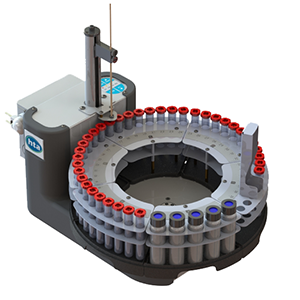
As you navigate the complexities of modern analytical laboratories, you’re likely no stranger to the challenges of manual sample preparation. From tedious pipetting to inevitable human error, it’s clear that there must be a better way. That’s where autosamplers come in – designed to automate the process, freeing you to focus on high-value tasks. But what exactly can you expect from integrating autosamplers into your workflow? The benefits are substantial, and we’re about to explore the most significant advantages that can revolutionize your laboratory’s efficiency, accuracy, and productivity.
Increased Laboratory Productivity
With the integration of autosamplers into modern analytical laboratories, you can significantly boost your laboratory’s productivity.
By automating the sample preparation process, you can reduce the time spent on manual tasks, freeing up your staff to focus on more critical tasks. Autosamplers can process multiple samples simultaneously, increasing the overall sample throughput and enabling you to analyze more samples in less time.
You’ll also experience a reduction in manual errors, as autosamplers eliminate the potential for human mistakes during sample preparation.
This means you can trust the accuracy of your results and avoid costly re-runs. Furthermore, autosamplers can operate around the clock, allowing you to take full advantage of your laboratory’s equipment and staff.
Improved Data Quality and Accuracy
Boost the reliability of your analytical results by leveraging the precision of autosamplers. These instruments ensure consistent and precise sample injection, which directly translates to more accurate data.
You’ll no longer have to worry about human error or variability in sample preparation, as automuestreador can handle even the most complex and delicate samples with ease.
By automating the sampling process, you’ll reduce the risk of contamination, sample degradation, and other factors that can compromise data quality.
Additionally, autosamplers can perform multiple injections with identical parameters, allowing you to generate highly reproducible results. This level of precision is especially critical in high-stakes applications, such as pharmaceutical development, environmental monitoring, and forensic analysis.
With autosamplers, you can have confidence in the accuracy of your data, which is essential for making informed decisions and drawing meaningful conclusions.
Reduced Labor Costs and Effort
You’ll find that autosamplers bring another significant advantage to your laboratory: they can dramatically reduce labor costs and effort.
By automating the sample preparation and injection process, autosamplers minimize the need for manual intervention, freeing up your technicians to focus on more critical tasks. This leads to a significant reduction in labor costs, as you’ll require fewer personnel to manage the sampling process.
Autosamplers also reduce labor effort by eliminating the need for manual sample handling, which can be time-consuming and prone to errors.
With an autosampler, you can process multiple samples in a single run, without the need for continuous monitoring or manual intervention. This not only saves time but also reduces the physical strain associated with manual sampling, leading to a more comfortable and efficient work environment.
Enhanced Sample Throughput Capacity
Autosamplers take your laboratory’s productivity to the next level by significantly enhancing sample throughput capacity.
With the ability to process multiple samples simultaneously, you can analyze a higher volume of samples in a shorter amount of time. This is particularly beneficial for high-throughput laboratories that require rapid turnaround times. By automating the sampling process, you can increase the number of samples you analyze per day, allowing you to meet deadlines more efficiently.
Moreover, autosamplers enable you to optimize your laboratory’s workflow, reducing downtime between samples and minimizing the time spent on manual sample preparation.
This allows you to allocate more resources to other critical tasks, such as data analysis and result interpretation. By streamlining your laboratory’s workflow, you can improve overall efficiency, productivity, and ultimately, your laboratory’s bottom line.
With an autosampler, you can analyze more samples, faster, and with greater precision, making it an essential tool for modern analytical laboratories.
Minimized Errors and Contamination Risks
Your laboratory’s analytical results rely heavily on the accuracy and precision of the sampling process.
Any errors or contamination introduced during sampling can lead to inaccurate results, which can have serious consequences in fields like pharmaceuticals, biotechnology, and environmental monitoring.
Autosamplers minimize these risks by automating the sampling process, reducing human involvement, and eliminating manual handling errors.
With an autosampler, you can ensure consistent and precise sampling, which reduces the potential for contamination and sample degradation.
The automated system also minimizes sample exposure to the environment, reducing the risk of cross-contamination and sample loss.
Additionally, autosamplers often feature advanced features like precision syringes, automated vial handling, and septum piercing, which further reduce the risk of contamination and sample degradation.
Conclusion
You’ll experience a significant boost in your lab’s performance with autosamplers. By automating sample preparation, you’ll free up staff to focus on high-value tasks, reduce manual errors, and operate around the clock. This means faster analysis, improved data accuracy, and increased efficiency. As a result, you’ll make informed decisions and gain a competitive edge in the industry. With autosamplers, you’ll take your lab to the next level, reaping the benefits of increased productivity, improved data quality, and reduced labor costs.
London Physiotherapy Treatments for Office Workers

As you sit at your desk, staring at your computer screen, do you often find yourself wincing in pain or feeling stiff from hours of sitting? You’re not alone. Office work can take a toll on your body, leading to aches and pains that can affect your productivity and overall well-being. Fortunately, London physiotherapy treatments are specifically designed to address the unique challenges faced by office workers like you. But how can these treatments help, and what can you expect from a customized exercise program?
Common Injuries in Office Workers
Sitting for extended periods, as many office workers do, can lead to a range of musculoskeletal disorders.
You’re likely to experience back, neck, or shoulder pain, which can be debilitating and affect your daily activities. Repetitive strain injuries, such as tendonitis or carpal tunnel syndrome, are also common, especially if you’re typing or using a mouse for long periods.
You may also develop poor posture, which can put strain on your muscles and joints, leading to injuries.
Additionally, you might experience headaches, eye strain, or fatigue due to prolonged screen time. If you’re not taking regular breaks to stretch and move around, you’re increasing your risk of developing these injuries.
As you go about your daily tasks, you mightn’t even realize you’re putting your body at risk. But it’s essential to be mindful of your body position, take regular breaks, and prioritize self-care to prevent these common injuries.
Benefits of Physiotherapy Treatment
You’ve likely tried to alleviate your office-related aches and pains with temporary fixes like pain relievers or stretching exercises, but these solutions often provide only short-term relief.
Physiotherapy treatment, on the other hand, offers a more sustainable approach to managing and eliminating pain. By addressing the underlying causes of your discomfort, a physiotherapist can help you achieve long-term relief and improve your overall well-being.
Physiotherapy treatment can also improve your posture, reduce muscle tension, and increase your flexibility and range of motion.
This, in turn, can boost your energy levels and enhance your productivity at work. Additionally, physiotherapy can help you develop better body mechanics and movement patterns, reducing your risk of future injuries.
Customized Exercise Programs Available
Three out of four office workers experience musculoskeletal discomfort, and a significant portion of this can be attributed to poor posture, inadequate exercise, and inefficient movement patterns.
As someone who spends most of your day sitting at a desk, you’re likely no stranger to aches and pains.
That’s why customized exercise programs are essential to addressing these issues.
When you work with a physiotherapist, you’ll receive a personalized exercise plan that targets your specific areas of concern.
Your physiotherapist will assess your posture, movement patterns, and muscle imbalances to create a program that’s tailored to your needs.
This might include exercises to improve your posture, strengthen your core, or increase your range of motion.
The goal is to help you move more efficiently, reduce discomfort, and improve your overall well-being.
Reducing Risk of Chronic Pain
Nearly 60% of office workers suffer from chronic pain, and it’s no surprise why: repetitive strain, poor posture, and inadequate exercise all contribute to this debilitating condition.
You’re likely no stranger to the aches and pains that come with sitting at a desk all day.
But the good news is that you can take steps to reduce your risk of chronic pain.
Start by making small changes to your workspace.
Adjust your chair height, monitor angle, and keyboard position to promote good posture.
Take regular breaks to stretch and move around – even a short walk to the water cooler can make a difference.
You can also incorporate simple exercises into your daily routine, like shoulder rolls and wrist extensions, to reduce muscle tension.
Additionally, prioritize self-care activities outside of work, such as yoga or swimming, to improve your overall physical fitness.
Finding the Right Physiotherapist
By taking proactive steps to reduce your risk of chronic pain, you’re already on the path to a healthier, more active lifestyle.
Now, it’s essential to find a physiotherapist who can help you achieve your goals. You don’t want to waste time and money on someone who isn’t a good fit for you.
When searching for a physiotherapist, start by asking for referrals from friends, family, or coworkers who’ve had positive experiences.
You can also check online review sites or professional organizations like the Chartered Society of https://onebodyldn.com/physiotherapy-london for recommendations.
Make a list of potential physiotherapists and research their credentials, experience, and areas of specialization.
It’s crucial to find someone who’s experience working with office workers and treating conditions similar to yours.
Before committing to a physiotherapist, schedule a consultation to discuss your needs and goals.
This is an opportunity to assess their communication style, bedside manner, and treatment approach.
Don’t be afraid to ask questions – you want to ensure you’re working with someone who understands your unique situation and can provide personalized care.
Conclusion
You’ve invested in your career, now it’s time to invest in your body. By incorporating London physiotherapy treatments into your routine, you’ll be taking proactive steps towards a healthier, happier you. You’ll reduce the risk of chronic pain, boost energy levels, and increase productivity at work. Don’t let office-related injuries hold you back any longer – take control of your well-being and start feeling the benefits of physiotherapy today.
A Complete Guide to Purchasing and Financing an Excavator

You’re on the verge of making a significant investment in your project’s success – purchasing an excavator. But with so many factors to consider, it’s essential to get it right. You’ll need to think about the specific demands of your project, from terrain to material weight, to choose the perfect excavator for the job. And then there’s the financial side: will you pay cash, finance through a dealer or bank, or opt for leasing? With so many options and variables at play, it’s crucial to have a clear understanding of what’s involved to ensure you’re getting the best value for your money. excavator leasing.
Determining the Right Excavator
When it comes to determining the right excavator for your needs, several key factors come into play.
You’ll want to consider the type of projects you’ll be working on, the terrain, and the weight and size of the materials you’ll be excavating. Will you be working in tight spaces or on large construction sites? Do you need a machine that can handle heavy lifting or precise digging?
You’ll also want to think about the excavator’s power and speed. If you’re working on a tight deadline, you’ll want a machine that can move quickly and efficiently.
But if you’re working on a project that requires precision, you may need a machine with more delicate controls.
Additionally, consider the operator’s comfort and safety. Look for features like climate-controlled cabs, ergonomic seating, and advanced safety features.
Finally, think about maintenance and upkeep. Some excavators are easier to service than others, so be sure to research the maintenance requirements before making a decision.
Understanding Purchase Options
Your excavator search has led you to the next crucial step: understanding purchase options.
You have several choices to consider, each with its pros and cons. You can opt for a brand-new excavator, which offers the latest technology and a manufacturer’s warranty. However, this option typically comes with a higher price tag.
Alternatively, you can explore used or refurbished excavators, which can be more budget-friendly. Keep in mind that these machines may have higher maintenance costs and potential reliability issues.
You’ll need to weigh these factors against the initial cost savings. Another option is to consider renting or leasing an excavator. This approach allows you to access the equipment you need without the long-term commitment of ownership.
It’s an excellent choice if you only need an excavator for a specific project or a short period. Consider your project requirements, budget, and business goals to determine which purchase option best suits your needs.
Financing Your Excavator Purchase
Several factors will influence your excavator purchase, but perhaps none are as crucial as financing.
You’ll need to determine how you’ll pay for your new equipment, and there are several options to consider. You can pay cash upfront, which eliminates the need for financing, but this approach may not be feasible for many buyers.
Alternatively, you can explore financing options through the dealer, a bank, or a leasing company.
When financing, you’ll need to consider the interest rate, repayment terms, and any fees associated with the loan.
Be sure to carefully review the terms and conditions before signing any agreement.
You may also want to consider leasing an excavator, which can provide more flexibility and lower monthly payments.
Ultimately, the right financing option for you’ll depend on your business needs, credit score, and cash flow.
Take the time to research and compare your options to ensure you’re getting the best deal possible.
Inspecting and Maintaining Equipment
Once you’ve secured financing for your excavator, it’s time to focus on getting the most out of your investment.
Inspecting and maintaining your equipment is crucial to extending its lifespan, reducing downtime, and avoiding costly repairs.
You’ll want to establish a regular maintenance schedule, which should include daily, weekly, and monthly checks.
Daily checks should include inspecting tracks, tires, and hydraulic fluid levels.
Weekly checks should focus on lubricating moving parts, checking for signs of wear, and ensuring all safety features are functioning properly.
Monthly checks should involve more in-depth inspections, such as checking engine oil, coolant, and transmission fluid levels.
In addition to these checks, you should also keep a detailed record of all maintenance activities, including the date, time, and type of maintenance performed.
This will help you identify potential issues before they become major problems and provide proof of maintenance should you need to make a warranty claim.
Maximizing Your Investment Value
As you navigate the process of owning and operating an excavator, it’s essential to maximize your investment value by getting the most out of your equipment.
To do this, you’ll need to focus on optimizing its performance, extending its lifespan, and reducing downtime.
Start by implementing a regular maintenance schedule, which should include daily inspections, routine repairs, and timely replacements of worn-out parts.
This will help prevent breakdowns, reduce repair costs, and minimize downtime.
Additionally, consider investing in operator training to ensure you’re getting the most out of your excavator’s capabilities.
You should also keep accurate records of maintenance, repairs, and performance to track your equipment’s history and identify areas for improvement.
By taking these steps, you’ll be able to maximize your excavator’s productivity, reduce operating costs, and increase its resale value.
This will ultimately help you get the best possible return on your investment.
Conclusion
You’ve made it! Now that you’ve considered project requirements, financing options, and maintenance needs, you’re ready to purchase and finance the right excavator for your job. Remember, choosing the correct excavator and financing plan will optimize performance, extend equipment lifespan, and maximize your investment value. By following these guidelines, you’ll be digging your way to success in no time.