
Limitations of AI in Health Diagnosis
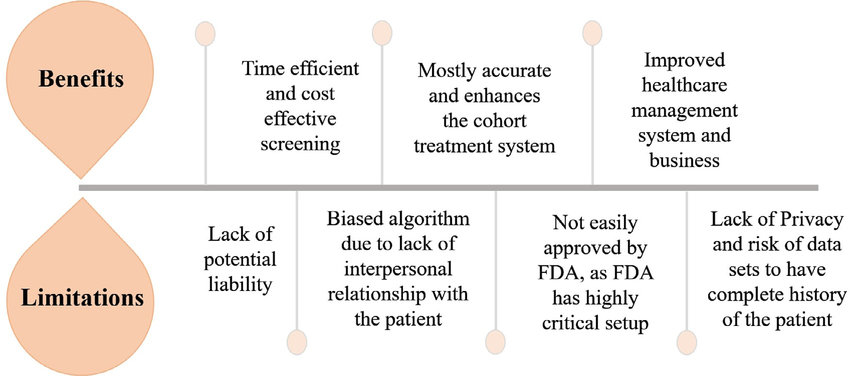
Artificial Intelligence (AI) has made significant strides in the field of health diagnosis, offering tools that promise to enhance diagnostic accuracy, streamline workflows, and improve patient outcomes. AI systems, particularly those based on machine learning and deep learning, have demonstrated impressive capabilities in analyzing medical images, predicting disease risk, and supporting clinical decision-making. However, despite these advancements, there are several limitations to AI in health diagnosis that must be addressed to fully realize its potential and ensure its effective integration into clinical practice.
Data Quality and Quantity
One of the primary limitations of AI in health diagnosis is the reliance on high-quality, large-scale datasets for training and validation. AI algorithms, particularly those using deep learning techniques, require vast amounts of data to achieve high accuracy and generalizability. However, obtaining such data can be challenging due to issues related to data availability, data privacy, and data quality.
Medical datasets are often fragmented, incomplete, or biased, which can negatively impact the performance of AI models. For instance, data collected from a particular demographic or geographic region may not be representative of the broader population, leading to biased or less accurate diagnostic predictions for underrepresented groups. Additionally, variations in data quality, such as inconsistent imaging protocols or incomplete patient records, can affect the reliability of AI systems. Ensuring that AI models are trained on diverse, high-quality datasets is crucial for improving their diagnostic accuracy and generalizability.
Algorithmic Bias and Fairness
Algorithmic bias is another significant limitation of AI in health diagnosis. AI systems learn from historical data, and if this data contains inherent biases—such as disparities in the representation of different patient groups—these biases can be perpetuated and even amplified by the AI algorithms. For example, if an AI model is trained predominantly on data from one racial or ethnic group, it may perform less well for individuals from other groups, potentially leading to disparities in diagnostic accuracy and healthcare outcomes.
Addressing algorithmic bias requires careful attention to the diversity of training datasets and ongoing monitoring of AI systems to identify and correct biases. Developers and healthcare providers must collaborate to ensure that AI models are evaluated for fairness and that any disparities are addressed to provide equitable diagnostic support for all patients.
Transparency and Explainability
The “black box” nature of many AI models poses a challenge for transparency and explainability in health diagnosis. AI systems, especially those based on complex deep learning architectures, often provide predictions or recommendations without offering clear explanations of how these conclusions were reached. This lack of transparency can undermine trust in AI systems and complicate the ability of healthcare professionals to understand and validate AI-driven diagnostic suggestions.
To address this issue, there is a growing emphasis on developing explainable AI (XAI) models that provide insights into the decision-making processes of AI systems. Explainable AI aims to make the inner workings of AI models more transparent and understandable, allowing clinicians to interpret and validate the recommendations made by these systems. Enhancing transparency and explainability is crucial for fostering trust in AI technologies and ensuring their effective integration into clinical practice.
Integration with Clinical Workflow
Integrating AI systems into existing clinical workflows presents another challenge. AI tools must seamlessly fit into the day-to-day practices of healthcare professionals without causing disruption or requiring significant changes to established procedures. This integration involves not only technical considerations but also training and adaptation for healthcare providers.
AI systems must be designed with usability in mind, ensuring that they complement rather than complicate clinical workflows. Additionally, healthcare professionals need to be trained to effectively use AI tools and interpret their outputs. Collaboration between AI developers, healthcare providers, and administrators is essential to ensure that AI systems are integrated smoothly and effectively into clinical environments.
Ethical and Regulatory Concerns
Ethical and regulatory concerns represent significant limitations for the deployment of AI in health diagnosis. Issues related to patient privacy, consent, and the accountability of AI systems must be carefully managed to ensure the responsible use of AI technologies. For example, the use of patient data for training AI models raises questions about data privacy and consent, as patients need to be informed about how their data will be used and have the ability to opt out if desired.
Furthermore, the regulatory landscape for AI in healthcare is still evolving. Ensuring that AI systems meet established standards for safety, efficacy, and reliability is crucial for gaining regulatory approval and ensuring that these systems are used responsibly. Policymakers and regulatory bodies must work to develop and enforce guidelines that address the unique challenges posed by AI technologies in healthcare.
Limitations in Generalization
AI models may also face limitations in generalizing across different clinical settings or patient populations. An AI system trained in one healthcare environment may not perform as well in another due to differences in data collection methods, clinical practices, or patient demographics. This limitation highlights the importance of validating AI models in diverse settings to ensure their robustness and applicability across various healthcare contexts.
Continuous evaluation and adaptation of AI systems are necessary to maintain their relevance and effectiveness as healthcare practices and patient populations evolve. AI models should be regularly updated and tested to ensure that they remain accurate and applicable in a wide range of clinical scenarios.
Conclusion
While AI holds great promise for enhancing health diagnosis, several limitations must be addressed to fully realize its potential. Issues related to data quality and quantity, algorithmic bias, transparency, integration with clinical workflows, ethical and regulatory concerns, and generalization challenges highlight the need for ongoing research, development, and collaboration in the field of AI in healthcare. By addressing these limitations, the healthcare industry can better harness the power of AI to improve diagnostic accuracy, patient outcomes, and overall healthcare delivery.
How to Implement AI in Healthcare Systems
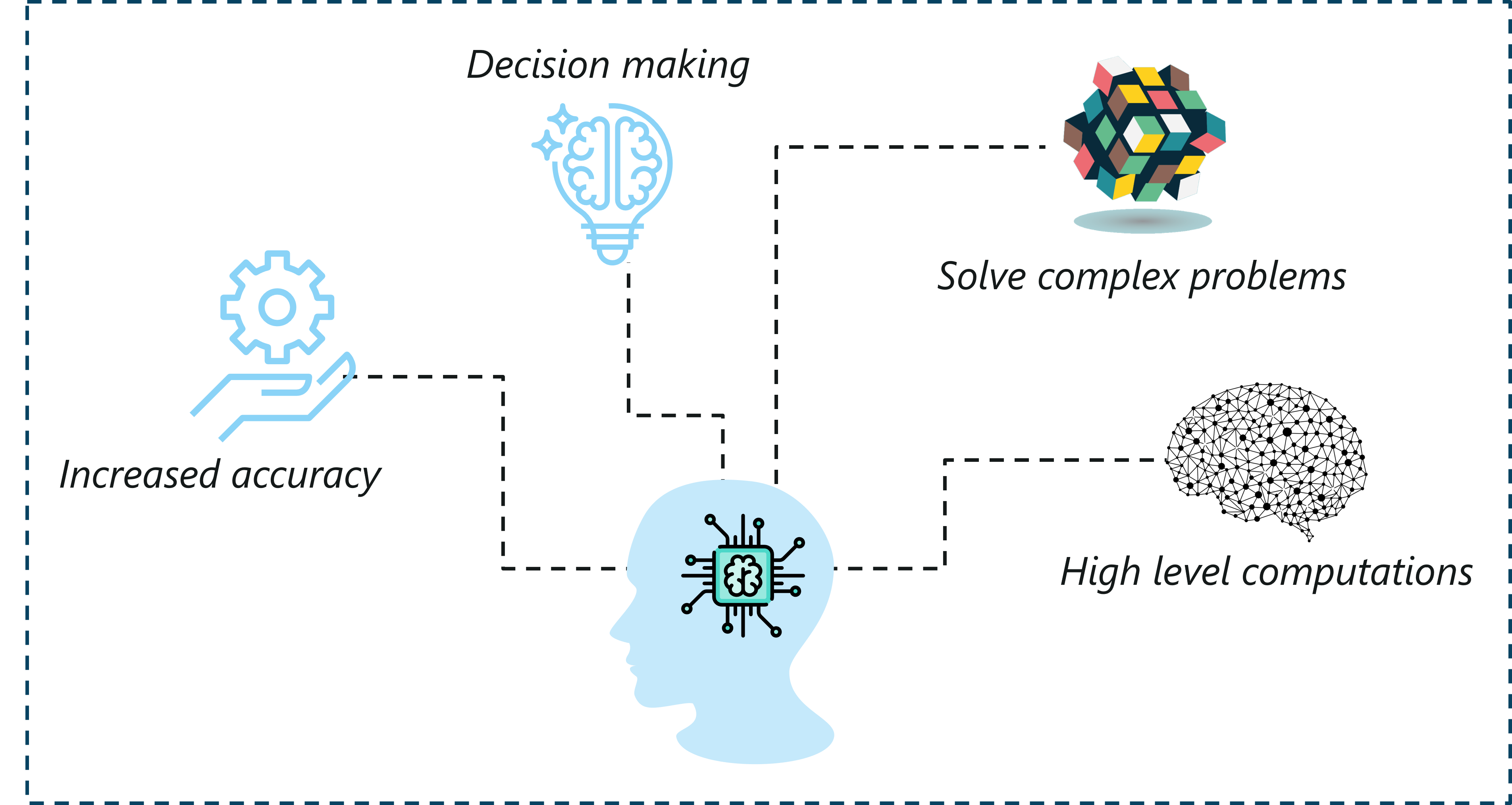
The integration of artificial intelligence (AI) into healthcare systems promises to transform how medical services are delivered, making them more efficient, accurate, and personalized. However, implementing AI in healthcare is a complex process that requires careful planning, strategic execution, and ongoing evaluation. This article provides a comprehensive guide on how to effectively implement AI in healthcare systems, addressing the key steps involved, challenges to anticipate, and best practices to ensure successful deployment.
Assessing Needs and Setting Objectives
The first step in implementing AI in healthcare systems is to conduct a thorough assessment of the organization’s needs and objectives. This involves identifying specific areas where AI could add value, such as improving diagnostic accuracy, streamlining administrative processes, or enhancing patient engagement. Healthcare organizations should start by evaluating current workflows and pinpointing inefficiencies or gaps that AI could address.
Setting clear, measurable objectives is crucial. These objectives should align with the organization’s overall goals and be based on data-driven insights. For instance, a hospital might aim to reduce diagnostic errors by 20% or cut down appointment scheduling times by 30%. Clearly defined goals help guide the selection of appropriate AI technologies and provide a benchmark for evaluating their effectiveness.
Selecting the Right AI Solutions
Once the needs and objectives are established, the next step is to select the right AI solutions. This involves researching and evaluating different AI technologies, such as machine learning algorithms, natural language processing (NLP) tools, and predictive analytics. It’s essential to choose solutions that align with the identified needs and are compatible with existing healthcare systems and data infrastructure.
Healthcare organizations should consider factors such as the technology’s maturity, vendor reputation, and the quality of support and training provided. It’s also important to assess how well the AI solution integrates with Electronic Health Records (EHR) and other existing systems to ensure seamless operation and data flow.
Ensuring Data Quality and Compliance
AI systems rely heavily on high-quality data to function effectively. Therefore, ensuring that data used in AI applications is accurate, complete, and representative is crucial. This may involve cleaning and standardizing data from various sources, such as patient records, lab results, and imaging studies.
Compliance with regulations and standards is also a critical consideration. Healthcare organizations must adhere to data protection laws, such as the Health Insurance Portability and Accountability Act (HIPAA) in the United States, which govern how patient information is handled and protected. Ensuring that AI systems comply with these regulations helps mitigate risks related to data privacy and security.
Training and Change Management
Implementing AI in healthcare systems requires more than just technological integration; it also involves significant changes in workflows and processes. Therefore, training and change management are essential components of a successful implementation.
Healthcare professionals need to be trained not only on how to use the new AI tools but also on how to interpret and act on AI-generated insights. This training should be comprehensive and tailored to the specific needs of different user groups, such as clinicians, administrative staff, and IT personnel.
Effective change management strategies should be employed to facilitate a smooth transition. This includes communicating the benefits of AI to stakeholders, addressing any concerns or resistance, and providing ongoing support to ensure that users adapt to the new systems effectively.
Pilot Testing and Evaluation
Before full-scale implementation, it is advisable to conduct pilot testing of the AI systems. Pilot testing involves deploying the AI technology in a controlled environment or within a specific department to assess its performance and identify any issues.
During the pilot phase, healthcare organizations should closely monitor the system’s functionality, user feedback, and overall impact on operations. This evaluation process helps identify any adjustments or improvements needed before a wider rollout. It also provides an opportunity to refine workflows and address any integration challenges.
Scaling and Integration
Following successful pilot testing, the next step is to scale the AI implementation across the organization. This involves expanding the use of AI systems to other departments or functions and ensuring that the technology is fully integrated with existing systems and workflows.
Effective scaling requires careful planning and coordination. It’s important to manage the transition in stages, addressing any issues that arise and making adjustments as needed. Additionally, ongoing monitoring and evaluation should continue to ensure that the AI systems are meeting the defined objectives and delivering the expected benefits.
Monitoring and Continuous Improvement
Implementing AI is not a one-time event but an ongoing process. Continuous monitoring and evaluation are essential to ensure that the AI systems remain effective and relevant. This involves regularly reviewing performance metrics, user feedback, and technological advancements.
Healthcare organizations should establish mechanisms for continuous improvement, such as regular updates to AI algorithms, enhancements to data quality, and adjustments to workflows based on performance data. Staying current with advancements in AI technology and incorporating new developments can help maintain the effectiveness and competitiveness of the AI systems.
Addressing Ethical and Legal Considerations
AI implementation in healthcare also raises ethical and legal considerations that must be addressed. Issues such as algorithmic bias, transparency, and accountability are critical to ensuring that AI systems are used responsibly and equitably.
Healthcare organizations should establish policies and procedures to address these concerns, including guidelines for ethical AI use, mechanisms for monitoring and addressing bias, and clear protocols for accountability in case of errors or adverse outcomes. Engaging with stakeholders, including patients, advocacy groups, and regulatory bodies, can help ensure that AI implementation aligns with ethical standards and legal requirements.
Conclusion
Implementing AI in healthcare systems offers significant opportunities to enhance patient care, improve operational efficiency, and drive innovation. However, the process involves careful planning, strategic execution, and ongoing evaluation to ensure success. By assessing needs, selecting appropriate solutions, ensuring data quality, providing training, and addressing ethical considerations, healthcare organizations can effectively integrate AI technologies and realize their full potential. As AI continues to evolve, its role in healthcare will likely expand, offering new possibilities for improving health outcomes and advancing medical research.
Impact of AI on Healthcare Costs

The integration of Artificial Intelligence (AI) into healthcare is transforming how medical services are delivered, and one of the most significant areas of impact is on healthcare costs. As AI technologies become increasingly sophisticated and widespread, they offer the potential to revolutionize healthcare by improving efficiency, accuracy, and patient outcomes, all of which have profound implications for healthcare expenditures. This article explores the various ways in which AI is influencing healthcare costs, focusing on cost reduction through improved efficiency, enhanced diagnostic accuracy, better resource management, and the shift towards preventive care.
Cost Reduction through Improved Efficiency
One of the primary ways AI is impacting healthcare costs is through enhanced efficiency in medical operations. Traditional healthcare systems often involve multiple stages and manual processes that can be time-consuming and resource-intensive. AI technologies streamline these processes, leading to significant cost savings. For instance, AI-powered administrative tools can automate tasks such as scheduling, billing, and patient management. This automation reduces the need for manual intervention, minimizes errors, and accelerates workflows. In clinical settings, AI algorithms assist in managing patient data, ensuring that medical records are up-to-date and accurately processed. This efficiency not only reduces administrative costs but also allows healthcare professionals to focus more on direct patient care rather than routine tasks. By improving operational efficiency, AI contributes to overall cost savings within the healthcare system.
Enhanced Diagnostic Accuracy and Reduced Testing Costs
AI’s role in improving diagnostic accuracy has a direct impact on reducing healthcare costs. Accurate diagnoses are crucial for effective treatment and avoiding unnecessary procedures. Traditional diagnostic methods can sometimes result in false positives or false negatives, leading to additional tests, extended treatments, and increased patient costs. AI algorithms, particularly those utilizing machine learning and deep learning, analyze medical data with high precision, reducing the likelihood of diagnostic errors. For example, AI systems in radiology can detect anomalies in medical images with greater accuracy than human radiologists, leading to earlier and more accurate diagnoses. By reducing the need for repeat tests and minimizing diagnostic errors, AI helps in lowering overall healthcare costs. Moreover, accurate diagnoses ensure that patients receive the appropriate treatments, avoiding the costs associated with incorrect or delayed treatments.
Better Resource Management and Utilization
AI also plays a significant role in optimizing resource management and utilization within healthcare systems. Healthcare resources, including medical staff, equipment, and facilities, are often limited and expensive. AI-driven tools assist in managing these resources more effectively, leading to cost savings. For example, AI algorithms can analyze patient data to predict patient flow and optimize staffing levels, ensuring that resources are allocated efficiently. In hospitals, AI systems can manage the use of medical equipment, such as MRI machines or ventilators, by predicting maintenance needs and scheduling usage to avoid downtime. Additionally, AI can help in managing inventory and supply chains, reducing waste and ensuring that essential supplies are available when needed. By improving resource management, AI helps to minimize operational costs and enhance the overall efficiency of healthcare facilities.
Shift Towards Preventive and Predictive Care
AI is also driving a shift towards preventive and predictive care, which has long-term cost implications for the healthcare system. Preventive care aims to identify and address potential health issues before they become severe, thereby reducing the need for expensive treatments and hospitalizations. AI technologies play a crucial role in this approach by analyzing large datasets to identify individuals at risk of developing certain conditions. For instance, AI algorithms can predict the likelihood of chronic diseases such as diabetes or heart disease based on patient data, allowing for early intervention and lifestyle modifications. By focusing on prevention and early detection, AI helps to avoid costly treatments and hospital admissions, leading to significant cost savings. This proactive approach not only benefits individual patients but also contributes to reducing the overall burden on the healthcare system.
Telemedicine and Remote Monitoring
The rise of telemedicine and remote monitoring, facilitated by AI, is another factor influencing healthcare costs. Telemedicine enables patients to consult with healthcare providers remotely, reducing the need for in-person visits and associated travel costs. AI-powered telemedicine platforms offer virtual consultations, diagnostic support, and remote monitoring of patient health, providing a convenient and cost-effective alternative to traditional healthcare services. Remote monitoring tools, such as wearable devices and AI-driven health apps, allow for continuous tracking of patient health metrics, such as heart rate, blood glucose levels, and physical activity. By providing real-time data and enabling remote consultations, AI reduces the need for frequent hospital visits and helps in managing chronic conditions more effectively. This approach not only lowers patient costs but also reduces the strain on healthcare facilities, contributing to overall cost savings.
Challenges and Considerations
While AI holds promise for reducing healthcare costs, there are challenges and considerations that need to be addressed. The initial investment required for AI technologies can be substantial, and integrating these systems into existing healthcare infrastructure can be complex. Additionally, ensuring the accuracy and reliability of AI algorithms is crucial to prevent potential errors that could lead to increased costs or adverse patient outcomes. There is also the need to address data privacy and security concerns, as AI systems rely on vast amounts of patient data. It is essential to strike a balance between leveraging AI for cost savings and maintaining the highest standards of patient care and data protection.
Conclusion
AI is making a significant impact on healthcare costs by enhancing efficiency, improving diagnostic accuracy, optimizing resource management, and promoting preventive care. While the integration of AI into healthcare presents challenges, its potential to reduce costs and improve patient outcomes is considerable. As AI technology continues to evolve, it is likely to play an increasingly central role in shaping the future of healthcare, driving cost savings, and enhancing the overall quality of care. By addressing challenges and leveraging the benefits of AI, the healthcare industry can achieve more sustainable and effective solutions for managing costs and delivering high-quality care.
AI and the Digital Transformation of Healthcare
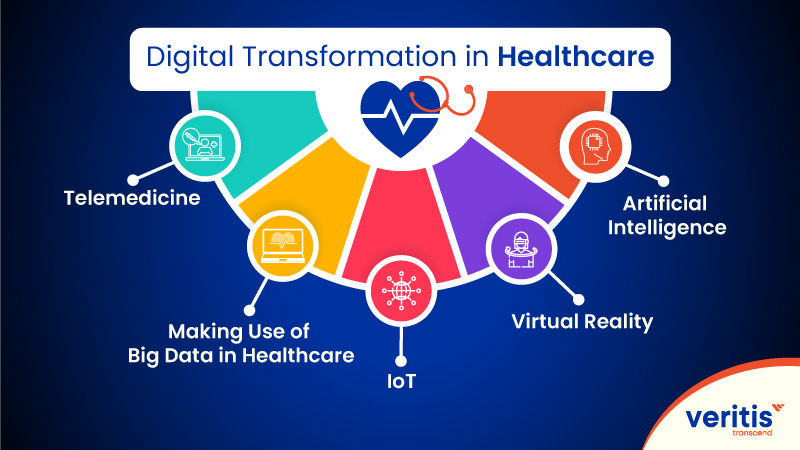
The healthcare industry is undergoing a profound digital transformation, driven largely by advancements in Artificial Intelligence (AI). AI technologies are reshaping how healthcare providers deliver care, manage data, and interact with patients. This transformation is not just about incorporating new technologies but about fundamentally rethinking and improving the delivery of healthcare services. AI’s influence on this evolution is multifaceted, impacting everything from diagnostics and treatment planning to patient engagement and administrative efficiency.
Revolutionizing Diagnostics and Treatment
AI is revolutionizing diagnostics by enhancing the accuracy and speed with which medical conditions are identified. Traditional diagnostic methods often rely on the interpretation of imaging studies, lab results, and clinical symptoms, which can be time-consuming and subject to human error. AI algorithms, particularly those based on deep learning, can analyze medical images with remarkable precision, identifying patterns and anomalies that may elude human eyes. For instance, AI systems are now used to detect early signs of diseases such as cancer, cardiovascular conditions, and neurological disorders through analysis of X-rays, MRIs, and CT scans.
In addition to improving diagnostic accuracy, AI is transforming treatment planning. Machine learning models can predict how individual patients will respond to different treatments based on their medical history, genetic information, and lifestyle factors. This allows for more personalized and effective treatment plans tailored to each patient’s unique needs. For example, AI can analyze a patient’s genetic profile to recommend targeted therapies for cancer, improving treatment outcomes and minimizing side effects. By integrating AI into clinical workflows, healthcare providers can make more informed decisions, optimize treatment strategies, and ultimately enhance patient care.
Enhancing Patient Engagement and Experience
AI is also playing a crucial role in improving patient engagement and overall experience. Patient engagement is a key factor in achieving positive health outcomes, and AI-driven tools are helping to bridge the gap between patients and their healthcare providers. Virtual health assistants and chatbots powered by AI can provide patients with timely information, answer questions, and offer support for managing their health conditions. These digital tools are available 24/7, allowing patients to access information and assistance whenever they need it.
AI-powered platforms also facilitate personalized communication by analyzing patient data to tailor interactions and recommendations. For instance, AI can send customized reminders for medication, follow-up appointments, and lifestyle changes based on individual health data. This level of personalization not only enhances patient adherence to treatment plans but also improves overall satisfaction with the healthcare experience. By leveraging AI to foster better communication and engagement, healthcare providers can create more patient-centered care models that support better health outcomes.
Optimizing Administrative Efficiency
Administrative tasks in healthcare, such as scheduling, billing, and documentation, can be time-consuming and prone to errors. AI is streamlining these processes, leading to significant improvements in operational efficiency. Automated scheduling systems powered by AI can manage appointments, optimize schedules, and reduce no-show rates by sending reminders and rescheduling missed appointments. This helps to maximize the use of available resources and improve patient access to care.
AI is also transforming the billing and coding processes by automating the capture and processing of data, reducing the likelihood of errors, and ensuring accurate reimbursements. Machine learning algorithms can analyze patient records and generate accurate billing codes, minimizing the administrative burden on healthcare staff. This not only improves the efficiency of billing processes but also accelerates the reimbursement cycle, ensuring that healthcare organizations receive timely payments for their services.
Advancing Research and Innovation
AI is driving significant advancements in medical research and innovation by providing researchers with powerful tools to analyze complex datasets. In drug discovery, AI algorithms can analyze molecular data to identify potential drug candidates and predict their effectiveness. This accelerates the development of new therapies and reduces the time and cost associated with bringing new drugs to market.
AI is also enhancing the design and execution of clinical trials. Machine learning models can identify suitable candidates for trials based on a range of factors, including genetic information and medical history. This improves the efficiency of recruiting participants and ensures that clinical trials are conducted with the right populations. Additionally, AI can monitor trial progress, analyze data in real time, and provide insights that support better decision-making and faster adjustments to study protocols.
Improving Population Health Management
Population health management is a critical aspect of modern healthcare, focusing on improving the health outcomes of entire communities. AI plays a significant role in this area by analyzing large datasets to identify trends, predict health risks, and develop targeted interventions. For example, AI can analyze data from electronic health records, social determinants of health, and other sources to identify at-risk populations and recommend preventive measures.
AI-driven predictive models can forecast disease outbreaks, track the spread of infectious diseases, and guide public health responses. By leveraging these insights, healthcare organizations and policymakers can implement effective strategies to address health challenges and improve overall community health. AI’s ability to analyze and interpret complex data enables more proactive and evidence-based approaches to population health management.
Addressing Challenges and Ethical Considerations
While AI offers numerous benefits in the digital transformation of healthcare, it also presents challenges and ethical considerations. Data privacy and security are paramount concerns, as the integration of AI involves handling sensitive patient information. Ensuring robust data protection measures and complying with regulations such as the Health Insurance Portability and Accountability Act (HIPAA) is essential to maintaining patient trust.
Additionally, the use of AI in healthcare must address issues related to algorithmic bias and fairness. AI models are trained on data that may reflect existing biases, which can lead to disparities in care. It is crucial to develop and implement AI systems that are transparent, fair, and designed to mitigate biases to ensure equitable healthcare outcomes for all patients.
Conclusion
AI is at the forefront of the digital transformation in healthcare, offering a range of benefits that enhance diagnostics, treatment, patient engagement, and operational efficiency. By integrating AI into healthcare systems, providers can achieve more personalized care, streamline administrative processes, and drive innovation in research and population health management. However, the successful adoption of AI requires addressing challenges related to data privacy, security, and fairness. As AI technology continues to evolve, its role in shaping the future of healthcare will become increasingly central, driving improvements in care delivery and patient outcomes across the globe.