
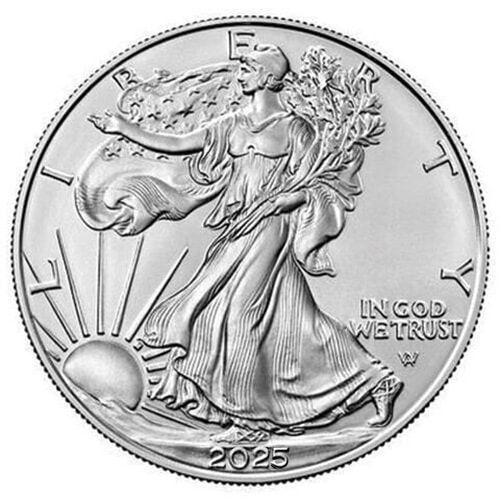
The evolution of the coin collecting hobby has mirrored broader shifts in technology, commerce, and cultural trends. Once the realm of basement coin shows, mail-in auctions, and local coin dealers, the process of selling coins has undergone a dramatic transformation in the last decade. At the center of this change is the rise of online coin buyers — digital platforms and e-commerce services that allow sellers to appraise, price, and transact coin sales without stepping foot into a brick-and-mortar shop. These services are reshaping the coin market by offering convenience, transparency, and reach that were previously unimaginable to everyday collectors and casual sellers alike.
1. Democratizing Access to Coin Buyers
Before the online era, selling a rare coin usually involved attending a local coin shop, visiting auctions, or connecting with individual collectors — all of which had limitations. Local dealers might offer only modest prices due to inventory and cash constraints. Auctions often involved substantial fees and unpredictable results. In many areas, there simply weren’t enough buyers to create a competitive market.
Online coin buyers have broken down these geographical and logistical barriers. Today, someone in a small town can list a coin on a national marketplace and receive offers from professional buyers across the country or even globally. Digital platforms aggregate demand and supply, effectively increasing competition for sellers’ products. As a result, sellers can often secure better prices than they might receive in a localized market.
This expansion of access is especially valuable for rare or high-value coins, where potential buyers are few and far between. By casting a wider net through the internet, sellers exponentially increase the likelihood of finding the right buyer willing to pay fair or even premium prices.
2. Enhancing Convenience and Speed
One of the most significant ways online coin buyers are changing the selling process is through convenience. Rather than transporting coins to a dealer or mailing them to an auction house and waiting months for settlement, sellers can complete transactions from the comfort of their homes.
Most online platforms offer a straightforward process:
-
Submit Coin Details: Sellers upload photos and descriptions of their coins.
-
Receive Offers: Buyers or algorithms provide appraisals or offer prices.
-
Ship Coins: Sellers send their coins using prepaid shipping provided by the platform.
-
Get Paid: After verification and grading, the seller receives payment electronically.
This model eliminates multiple rounds of negotiation and travel, significantly shortening the sales cycle. For casual sellers or those liquidating assets for urgent needs, this speed can be invaluable.
3. Increasing Pricing Transparency
Historically, coin pricing was opaque. Local dealers often valued coins based on their own private pricing guides and assessments, leaving sellers unsure whether they were being paid fairly. Auctions provided some price visibility but involved long wait times and additional fees that obscured true returns.
Online coin buyers are pushing the market toward transparency. Many platforms publicly display pricing guides, current market values, and historical sale data. Sellers can compare multiple offers at once, enabling them to make informed decisions rather than taking the first price offered.
Some services even use advanced pricing algorithms that scan recent transactions and market trends to suggest fair market values. While not perfect, these tools give sellers much more context than the old model, where only the dealer knew the wholesale edge on a coin’s value.
4. Empowering Smaller and First-Time Sellers
Perhaps one of the most transformative effects of online coin buyers is their appeal to novice sellers and individuals with small collections. In the past, casual collectors with only a few coins often found selling difficult — local dealers might offer lowball prices, and auctions required consignments that were too small to justify fees.
Online platforms usually have no minimums and are designed to handle transactions of any size. This means someone with just one rare coin or a handful of common coins can still participate in the market effectively. User-friendly interfaces, educational resources, and automated pricing estimates reduce uncertainty for first-time sellers who don’t yet understand grading, market dynamics, or negotiation.
As a result, the hobby becomes more accessible, drawing in people who might have otherwise held onto coins simply because they didn’t know where or how to sell them.
5. Challenging Traditional Dealers to Evolve
The rise of online coin buyers is forcing traditional coin dealers to reassess their business models. Many dealers who once relied on walk-in traffic or local reputation are now competing with national platforms. To stay relevant, these businesses must innovate — offering online services themselves, adopting transparent pricing, or specializing in expert services that digital Tampa Coin Buyers can’t easily replicate.
Some brick-and-mortar dealers have embraced hybrid models: offering online consignment services, virtual consultations, and digital auctions. Others focus on high-end rare coins where nuanced expertise and trust play a more significant role than a simple online price. In every case, the competition from online buyers is elevating service quality industry-wide.
6. Impact on Coin Values and Market Liquidity
Online buyers contribute to greater market liquidity — meaning coins change hands more frequently and pricing adjusts more rapidly to real-time demand. The broader reach and faster turnaround reduce inventory bottlenecks and encourage trading activity.
This liquidity benefits both buyers and sellers. Sellers gain quicker access to cash and more opportunities to realize value. Buyers enjoy a larger pool of coins and competitive pricing driven by broader market participation.
However, increased liquidity and online pricing competition can also compress profit margins for dealers. This isn’t necessarily bad for sellers, but it does mean the market becomes more efficient — a classic economic shift where intermediaries earn less and consumers capture more value.
7. New Risks and Challenges
While online coin buyers offer clear advantages, they are not without challenges. The decentralized nature of online platforms introduces concerns around fraud, misrepresentation, and grading disputes. Sellers must choose reputable platforms, verify buyer credentials, and often wait for professional grading before final payment is issued.
Shipping coins — even with insurance and tracking — carries risk. Some sellers may receive lowball offers due to poor photographs or incomplete descriptions, leading to frustration or lost value. And while pricing algorithms improve transparency, they can also misprice rare or unusual coins if the underlying data is sparse.
To address these issues, many online platforms invest in customer support, third-party grading partnerships, and dispute resolution mechanisms. Reputable services also educate sellers on best practices for imaging, description, and packaging.
8. The Future of Coin Selling
Online coin buyers have fundamentally changed how coins are sold — making the process faster, more transparent, and accessible to a broader audience. As technology continues to evolve, we can expect several trends:
-
Enhanced digital tools like AI-driven appraisals and predictive pricing models.
-
Mobile-first platforms that allow sellers to list coins directly from smartphone photos.
-
Integration with blockchain or digital provenance systems to verify coin histories and grades.
-
Greater global marketplaces that connect sellers and buyers across borders with seamless transactions.
Traditional dealers will likely continue to adapt, offering blended services that combine in-depth expertise with digital convenience.
Conclusion
The rise of online coin buyers marks a significant shift in the numismatic world. By democratizing access, increasing transparency, and streamlining the selling process, these platforms empower both seasoned collectors and casual sellers. The coin market is becoming more efficient, more competitive, and more accessible than ever before. While challenges remain, the overall impact has been to modernize a centuries-old hobby and align it with the expectations of the digital age.