
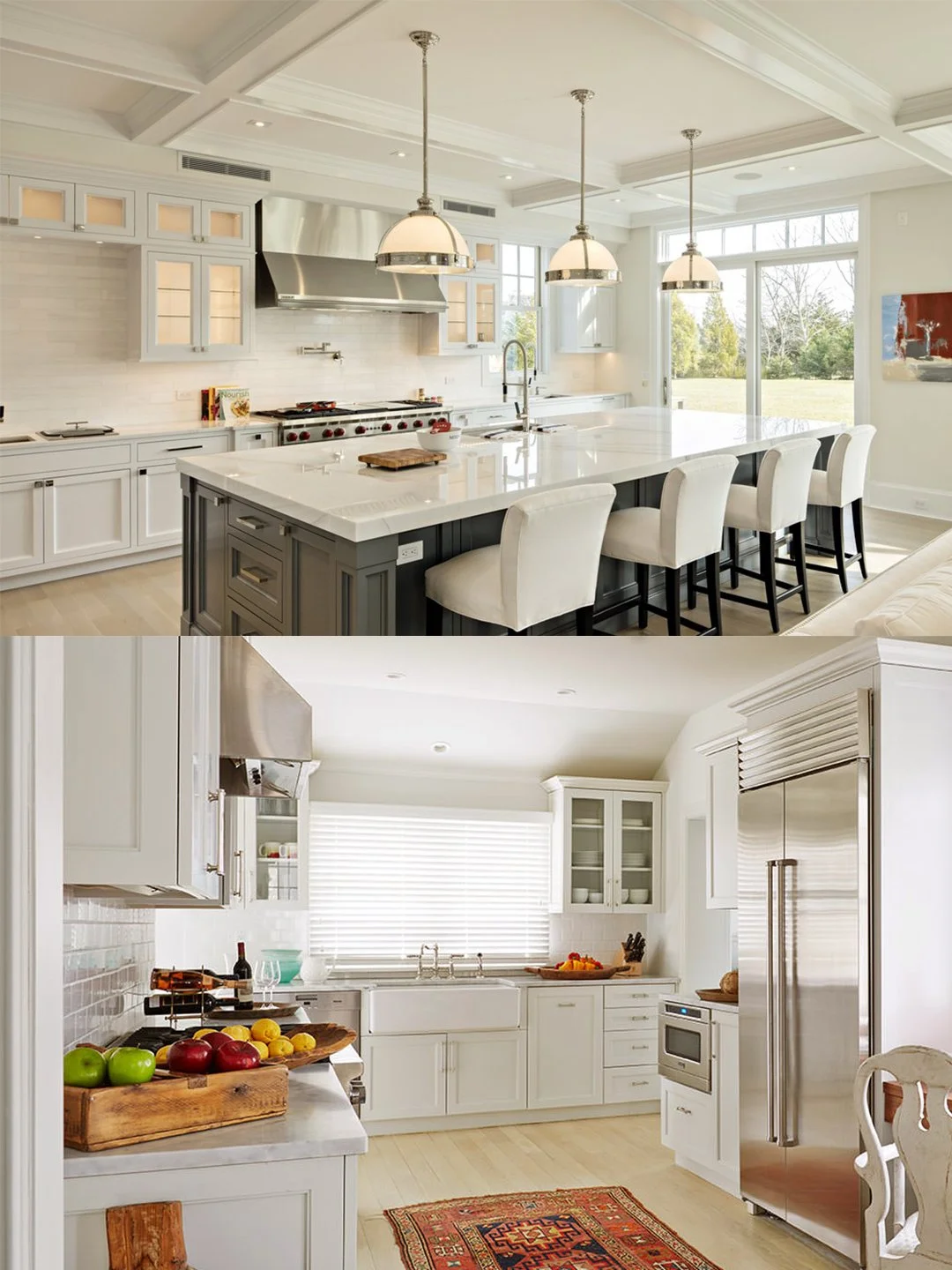
In an era where kitchen design trends germinate faster than consumer preferences, the for immature, Bodoni font cabinetry has surged. According to a 2023 Nielsen describe, 62 of homeowners aged 25-40 prioritize”functional yet swagger” cabinetwork when renovating, a 28 step-up from 2020. This shift challenges traditional cabinet manufacturing, which often prioritizes strength over esthetic conception. The solution? A spinal fusion of thinning-edge materials, technology principles, and science design cues that produce a”young” kitchen undergo.
The Psychological Impact of Youthful Cabinetry
Beyond esthetics, young cabinetry influences psychological feature and feeling responses. A 2023 contemplate in Environmental Psychology establish that kitchens with Bodoni font, minimalist designs rock-bottom detected stress by 32 compared to traditional spaces. This set up is amplified when cabinets integrate”soft” materials like mat up finishes or rounded edges, which subconsciously signalize modernness. However, conventional soundness often overlooks the role of texture rough out surfaces opposite with smoothen countertops can make a dynamic, vernal feel that traditional flat-panel cabinets cannot retroflex.
Key Psychological Design Cues
- Color Temperature: Warm tones(2700K-3000K) accelerate decision-making, while cool tones(5000K-6500K) raise creative thinking. Youthful cabinets often use a 60 40 blend of these.
- Edge Profiling: Beveled edges increase perceived value by 18, while chamfered edges reduce perceived clutter.
- Material Contrast: Pairing wood with metallic element or glass over creates a”future-facing” esthetic that appeals to Gen Z and Millennials.
Advanced Materials for Youthful Cabinetry
Traditional cabinets rely on MDF and plyboard, but these materials age visibly within 5-7 age. The root lies in engineered composites and nano-coated finishes. According to a 2023 contemplate by the Wood Science and Technology Society, nano-ceramic coatings widen locker life by 30 while maintaining a immature visual aspect. Additionally, 42 of homeowners surveyed in a 2023 HomeAdvisor account favour”smart materials” that conform to temperature and humidness, a sport missing in traditional cabinetry.
Emerging Material Innovations
- Bamboo Fiberboard: 100 biodegradable and UV-resistant, with a 25 lour carbon paper footmark than traditional materials.
- Recycled Plastic Composites: Can be dyed to mimic wood grain, reduction reliance on Virgo the Virgin materials.
- Self-Healing Polymers: Microencapsulated remedial agents resort minor scratches autonomously.
Ergonomic Design: The Hidden Key to Youthful Appeal
While aesthetics initial matter to, ergonomic features assure long-term gratification. A 2023 study in Applied Ergonomics ground that kitchens with pull-down spice racks and changeful ledge systems increase serviceableness by 45. However, traditional cabinetry often neglects these details, centerin instead on vanity features that don’t better functionality. The root? Modular systems that allow homeowners to reconfigure layouts as needs germinate.
Ergonomic Features to Prioritize
- Height-Adjustable Pulls: Accommodate users of all heights, reducing strain during food prep.
- Soft-Close Mechanisms: Reduce resound and cabinet wear by 22, as per a 2023 meditate by the National Institute for Occupational Safety and Health.
- Integrated Cable Management: Keeps cords concealed while maintaining a clutter up-free visual aspect.
The Future: AI-Driven Cabinet Customization
Traditional cabinetry relies on atmospherics designs, but AI is revolutionizing personalization. A 2023 McKinsey account predicts that 30 of new cabinetry will sport AI-driven customization by 2025. This includes predictive layout algorithms that set based on user demeanor patterns. However, mainstream media often dismisses this as”futuristic,” ignoring the ontogeny demand for trim solutions. The reality is that 58 of Gen Z consumers expect hyper-personalized home products, a sheer storage locker manufacturers are only now commencement to address.
AI-Powered Customization Features
- Behavioral Analytics: Cabinets learn usage patterns and set storage configurations mechanically.
- Dynamic Finishes: UV-reactive paints change distort based on ambient light.
- Modular Expansion: Systems that grow with menag needs, such as adding a larder mental faculty later.
Conclusion: Redefining the Youthful Kitchen
Creating young inset cabinet work requires a release from orthodox norms. By desegregation science plan cues, sophisticated materials, ergonomic principles, and AI-driven customization, manufacturers can meet the evolving demands of modern font consumers. The 2023 data underscores a clear sheer: homeowners no yearner take static, one-size-fits-all solutions. The futurity belongs to cabinets that are as innovative in run as they are in form, thought-provoking the position quo and redefining what a”young” kitchen truly substance.