
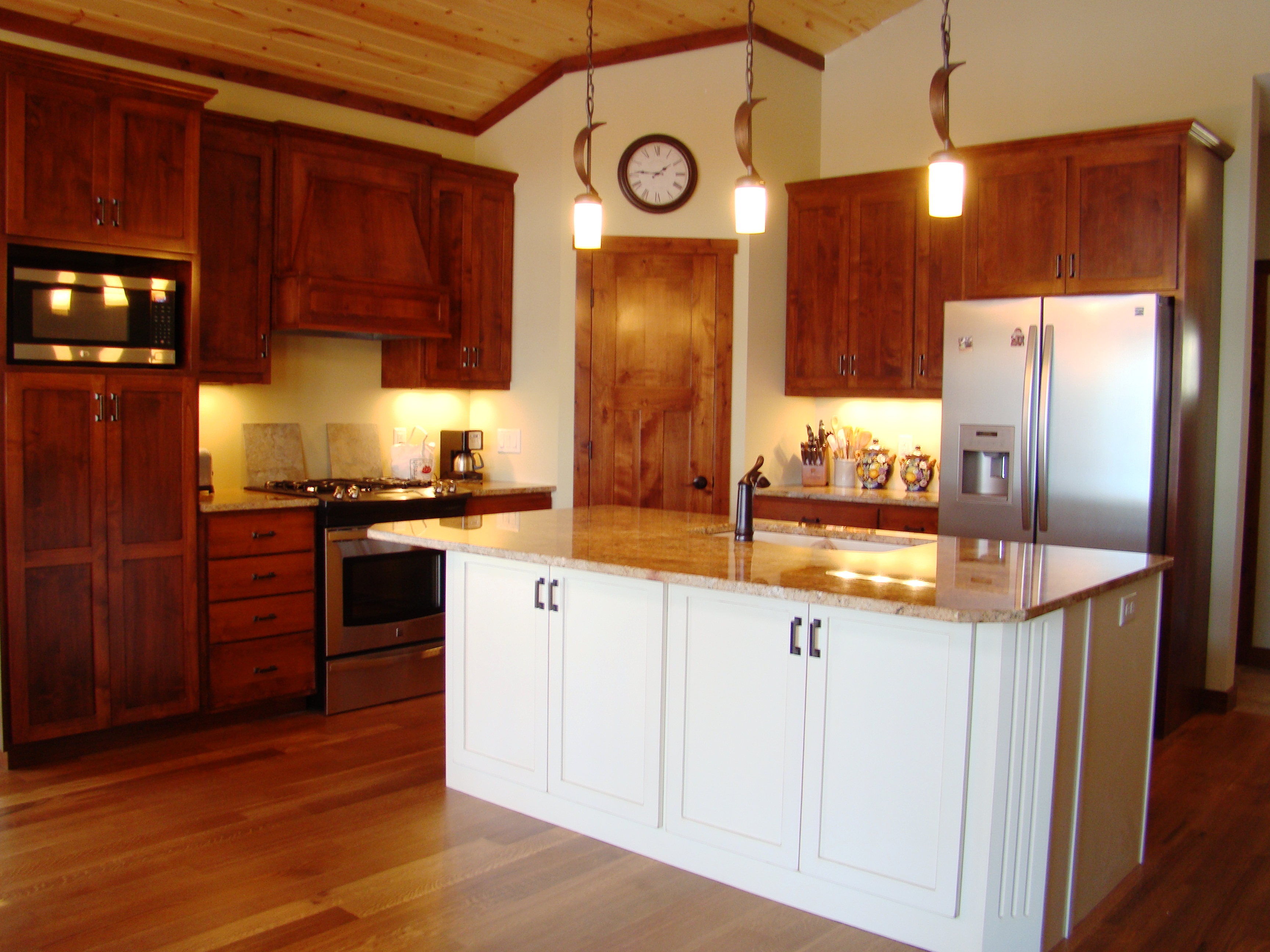
When you walk into a beautifully designed home, the details that make a space feel polished and cohesive often go unnoticed—but they are critical. These details fall under the category of millwork. From elegant baseboards to custom cabinets, millwork is a blend of craftsmanship, functionality, and style that transforms ordinary interiors into stunning spaces. But what exactly is millwork, and why is it so important in design? This full breakdown will guide you through everything you need to know.
What Exactly is Millwork?
Millwork refers to wood, metal, or composite components that are fabricated in a mill or factory and used as architectural or decorative features in buildings. Traditionally, millwork was made from solid wood, but modern materials like MDF, PVC, and even metal are increasingly common.
The key characteristic of millwork is customization and precision. Each piece is carefully crafted to fit a specific purpose, whether functional, decorative, or both. In homes, offices, and commercial spaces, What is Millwork serves to enhance design, protect surfaces, and provide utility.
Common Types of Millwork
Millwork encompasses a wide variety of components. Understanding the different types helps homeowners and designers make informed decisions.
1. Baseboards and Trim
Baseboards and trim are some of the most recognizable forms of millwork. They serve both decorative and practical purposes:
-
Baseboards protect walls from scuffs, furniture, and cleaning tools while providing a clean transition between walls and floors.
-
Crown molding sits at the junction of walls and ceilings, adding elegance and architectural detail.
-
Chair rails protect walls from furniture impact and offer a decorative element.
-
Door and window casings frame openings, creating a polished look while concealing gaps.
Trim and molding come in a variety of profiles, from simple modern lines to elaborate traditional designs, making them adaptable to any interior style.
2. Cabinetry and Built-Ins
Custom cabinets and built-ins are functional millwork pieces that combine design with storage solutions.
-
Kitchen cabinets are perhaps the most common example, offering both beauty and utility.
-
Bathroom vanities, wardrobes, and media units provide storage while complementing room design.
-
Built-in bookcases and desks create cohesive, space-saving solutions that enhance a room’s architecture.
3. Paneling and Wainscoting
Paneling adds depth, texture, and style to walls. Wainscoting, a type of paneling that covers the lower portion of walls, is both decorative and protective. Millwork panels can range from classic beadboard to intricate raised or recessed designs, giving rooms a timeless, sophisticated look.
4. Doors and Windows
Custom doors, frames, and window casings are part of millwork. These pieces are designed for durability, security, and aesthetic appeal. Solid wood doors, decorative panels, and window trims all fall under this category.
5. Stair Components
Staircases often feature millwork in the form of:
-
Treads and risers
-
Handrails and balusters
-
Newel posts and stringers
These elements combine safety with design, turning functional stairways into architectural features.
Materials Used in Millwork
Millwork can be made from a variety of materials, each offering unique benefits:
-
Solid Wood: Classic, durable, and beautiful. Ideal for cabinets, doors, and trim.
-
Engineered Wood (MDF, Plywood): Cost-effective, resistant to warping, and perfect for painted finishes.
-
PVC and Composites: Moisture-resistant and low-maintenance, often used for exterior trim or bathrooms.
-
Metal: Adds a modern or industrial look, ideal for railings, frames, and accents.
The choice of material depends on the application, aesthetic preferences, and budget.
Why Millwork Matters
Millwork plays a significant role in both design and functionality:
-
Aesthetic Impact: Adds sophistication, cohesion, and character to any space.
-
Functional Protection: Baseboards, trim, and paneling protect walls from wear and tear.
-
Custom Fit: Precision fabrication ensures pieces fit perfectly, creating a polished look.
-
Increased Value: High-quality millwork can elevate the perceived value of a home.
Final Thoughts
From baseboards to custom cabinets, millwork is the silent hero of interior design. It combines craftsmanship, functionality, and style, turning simple structures into spaces that feel complete and thoughtfully designed.
By understanding the types, materials, and uses of millwork, homeowners and designers can make informed choices that enhance both the beauty and utility of their spaces. Whether it’s a sleek modern staircase, a classic crown molding, or a fully customized kitchen cabinet system, millwork adds timeless elegance and lasting value to any home.