
Children’s books are more than just bedtime stories; they are the scaffolding for early development, sparking imagination and building social blueprints.
The impact is measurable: according to the Australian Literacy and Numeracy Foundation, children exposed to regular reading before starting school are 40% more likely to develop strong literacy skills by Year 1.
Among the vast sea of titles, Room on the Broom by Julia Donaldson has emerged as a definitive staple for both educators and parents.
A Masterclass in Narrative and Rhythm
The story follows a kind-hearted witch who, despite a crowded broomstick, continues to find space for a cast of animal friends. This journey isn’t just a flight of fancy; it’s a demonstration of cooperation, kindness, and problem-solving.
Donaldson’s signature use of rhythmic, rhyming text serves a dual purpose:
- Engagement: It turns reading into a melodic performance.
- Phonemic Awareness: The predictable patterns help children recognize sounds and syllables, a foundational step in early literacy.
The Power of Visual Storytelling
A story is only as vivid as its world, and Axel Scheffler’s whimsical illustrations are essential to the book’s success. These bright, detailed images do more than just decorate the page; they foster visual literacy. By connecting Scheffler’s characters to Donaldson’s words, children bridge the gap between abstract text and concrete meaning, all while sparking their own creative impulses.
Social-Emotional Lessons: Inclusion and Bravery
At its heart, the room on the broom book is a lesson in social-emotional growth. In an age where “fitting in” can be difficult, the witch’s inclusive nature teaches children the value of:
- Inclusion: There is always room for one more.
- Teamwork: The “magnificent broom” is a metaphor for what can be achieved when we work together.
- Kindness: Helping others often results in being helped in return.
Beyond the Page: Multi-Sensory Engagement
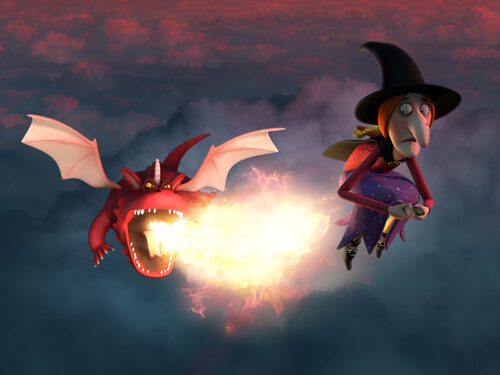
The reach of this story extends far beyond the paper. Successful stage and animated adaptations allow children to engage with the themes through different sensory lenses. For kinesthetic learners, these adaptations—and the classroom activities they inspire—make the lessons stick.
Educators frequently use the book as a springboard for:
- Creative Crafts: Building fine motor skills by recreating the characters.
- Group Storytelling: Encouraging oral language and confidence through role-play.
Conclusion
With the Australian Literacy and Numeracy Foundation highlighting the critical nature of early reading, Room on the Broom stands as a shining example of quality literature. By blending linguistic precision, artistic charm, and deep moral value, it remains a timeless tool for enchanting and educating the next generation of readers.