
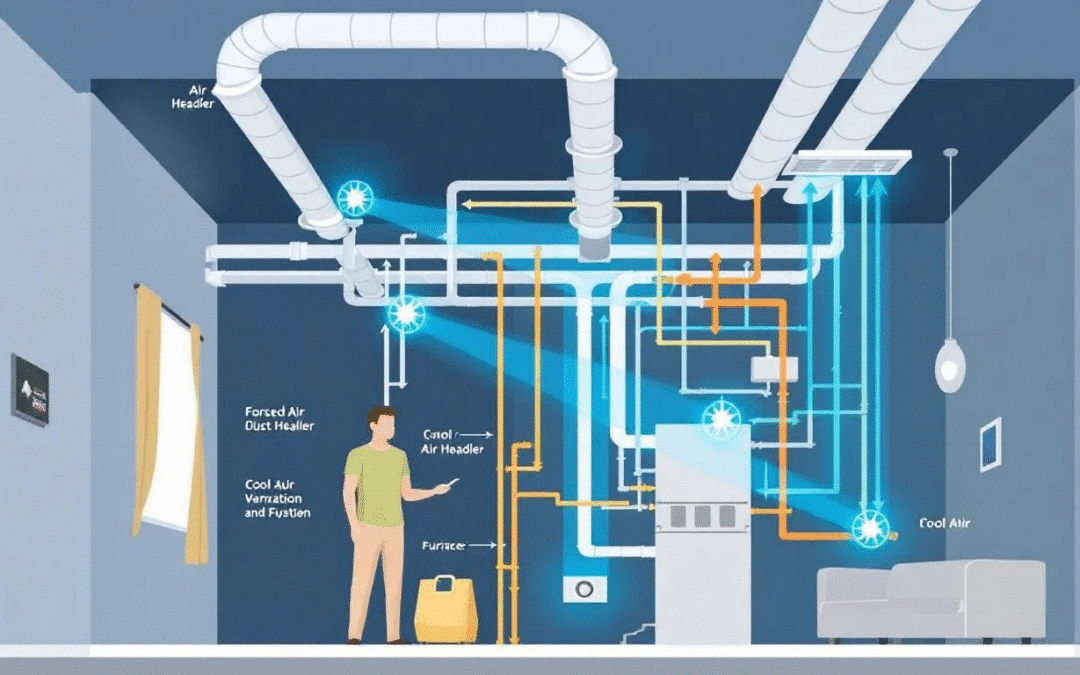
Proper HVAC installation is essential for maintaining comfort, efficiency, and air quality in any building. HVAC, which stands for Heating, Ventilation, and Air Conditioning, plays a crucial role in regulating indoor temperatures, ensuring proper airflow, and improving overall living and working conditions. A well-installed system can reduce energy bills, extend equipment lifespan, and prevent costly repairs.
Understanding HVAC Systems
Before diving into installation, it’s important to understand the components of an HVAC system. A standard HVAC system typically includes:
-
Furnaces or Heat Pumps – These provide heating during colder months. Furnaces often use gas, electricity, or oil, while heat pumps can offer both heating and cooling.
-
Air Conditioners – Essential for cooling indoor spaces, air conditioners remove heat and humidity from the air.
-
Ductwork and Ventilation – Proper airflow relies on ducts, vents, and fans to distribute heated or cooled air evenly.
-
Thermostats and Controls – These devices regulate temperature and optimize energy usage. Modern smart thermostats can further enhance efficiency.
Understanding each component is critical for proper HVAC installation, as incorrect placement or sizing can lead to inefficiency, increased wear, and discomfort.
Steps in HVAC Installation
Installing an HVAC system requires careful planning and expertise. While DIY attempts are possible for minor adjustments, professional installation ensures safety, code compliance, and optimal performance. The general steps include:
1. Assessing Your Space
A professional technician will evaluate the size and layout of your home or building. Proper sizing of the HVAC unit is essential, as an undersized system may fail to heat or cool adequately, while an oversized system can lead to short cycling, higher energy bills, and uneven temperatures.
2. Selecting the Right System
Choosing the right HVAC system depends on several factors, including climate, building size, energy efficiency preferences, and budget. Energy-efficient models, often rated with SEER (Seasonal Energy Efficiency Ratio) for cooling and AFUE (Annual Fuel Utilization Efficiency) for heating, can reduce operational costs over time.
3. Preparing the Installation Site
Before installation, the technician will prepare the site. This may involve clearing space, reinforcing supports for heavy equipment, and ensuring access to electrical, gas, or refrigerant connections. Proper preparation ensures a smoother installation process and reduces the risk of damage to the building.
4. Installing Heating and Cooling Units
The furnace, heat pump, or air conditioning unit is installed according to manufacturer specifications. Proper positioning is critical for performance and airflow. Technicians ensure all connections are secure, including gas lines, refrigerant lines, and electrical wiring.
5. Ductwork and Ventilation Installation
Efficient airflow is the backbone of HVAC systems. Ductwork must be carefully routed to avoid leaks, bends, or obstructions that can reduce system efficiency. Professional installers may seal and insulate ducts to prevent energy loss. Vent placement is also optimized for even temperature distribution throughout the building.
6. Thermostat and Control Setup
The thermostat is installed and calibrated to communicate effectively with the HVAC system. Modern smart thermostats can learn usage patterns, adjust temperatures automatically, and even allow remote control via mobile apps, contributing to energy savings and convenience.
7. Testing and Quality Assurance
After installation, the system undergoes rigorous testing. Technicians check for proper airflow, refrigerant levels, gas connections, and electrical integrity. They ensure the system operates efficiently without leaks or unusual noises. This step is crucial to confirm the installation meets safety and performance standards.
Benefits of Professional HVAC Installation
Choosing a professional for HVAC installation offers multiple advantages:
-
Energy Efficiency – Proper installation ensures the system operates at peak efficiency, lowering utility bills.
-
Safety – Certified technicians handle gas, refrigerants, and electrical components safely, reducing the risk of accidents.
-
Longevity – Correct installation reduces wear and tear, extending the lifespan of the system.
-
Warranty Compliance – Many manufacturers require professional installation to validate warranty coverage.
-
Enhanced Comfort – Properly sized and installed systems maintain consistent temperatures and improve indoor air quality.
Conclusion
HVAC installation is a complex but critical process that requires planning, expertise, and attention to detail. From selecting the right system to ensuring proper ductwork and thermostat setup, every step contributes to energy efficiency, comfort, and safety. Professional installation not only guarantees optimal performance but also protects your investment over the long term. Whether you’re installing a system in a new home or upgrading an old unit, prioritizing quality heat pump installation near me ensures reliable climate control for years to come.
A well-executed HVAC installation is more than just putting equipment in place—it’s a strategic process that enhances comfort, reduces costs, and improves indoor air quality, making it an essential component of modern living and working environments.