
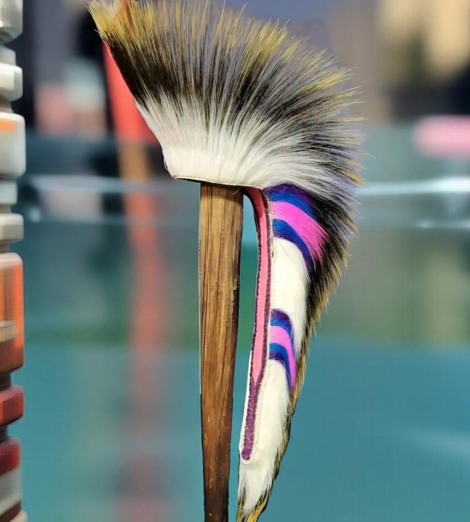
When you’re in the market for Native American crafts, you want to ensure you’re supporting the artists and communities behind them. But where do you start? You’ve likely heard horror stories about cultural appropriation and unfair labor practices, and you’re right to be concerned. The good news is that there are ways to buy Native American crafts ethically, and it begins with knowing where to look. From authentic marketplaces to Native American-owned cooperatives, there are options that prioritize fairness and authenticity. But what makes these options trustworthy, and how can you avoid perpetuating harmful cultural appropriation?
Authentic Marketplaces and Online Stores
When shopping for genuine Native American crafts, your first stop should be authentic marketplaces and online stores that directly support Native American Craft American artists and communities.
These platforms ensure you’re buying from the source, and your money goes towards promoting Native American culture and livelihoods. You’ll find a wide range of authentic crafts, from traditional beadwork and pottery to woven baskets and carvings.
Look for online stores that clearly state their affiliation with Native American communities or artists.
Check if they provide information about the artist, their tribe, and the craft’s significance. This transparency guarantees you’re buying an authentic piece. Some online stores even offer certifications of authenticity, such as the Indian Arts and Crafts Board (IACB) label.
In addition, consider visiting Native American reservations, festivals, or powwows, where you can buy crafts directly from the artists.
This way, you’ll not only get an authentic piece but also have the opportunity to learn about the craft’s history and cultural significance from the artist themselves.
Native American-Owned Artisan Cooperatives
Native American-owned artisan cooperatives offer a unique opportunity to buy authentic crafts while empowering indigenous artists and communities.
These cooperatives are businesses owned and operated by Native Americans, providing a platform for artists to sell their work directly to you. This model ensures that the artists receive fair compensation for their crafts, and you get to purchase authentic, high-quality pieces.
When you buy from a Native American-owned artisan cooperative, you’re supporting the local community and helping to preserve traditional craftsmanship.
You’ll often find a wide range of crafts, including textiles, pottery, jewelry, and carvings, each one showcasing the artist’s unique style and cultural heritage.
Many cooperatives also provide training and resources to their member artists, helping to develop their skills and build sustainable businesses.
Ethical Retailers With Transparent Sourcing
Authenticity-minded shoppers can turn to ethical retailers with transparent sourcing, which prioritize fairness and cultural sensitivity in their business practices.
These retailers ensure that Native American artists receive fair compensation for their work and that their cultural heritage is respected. You can trust that the crafts you buy from these retailers are genuine and not mass-produced knockoffs.
When shopping with ethical retailers, you’ll often find detailed information about the artist, their tribe, and the inspiration behind the piece.
This transparency allows you to make informed purchasing decisions and appreciate the cultural significance of the craft. Look for retailers that are members of organizations like the Indian Arts and Crafts Board or the Fair Trade Federation, which promote ethical sourcing and fair trade practices.
Directly From the Artist or Tribe
How can you be certain you’re getting a genuine piece that supports the artist directly? One way is to buy directly from the artist or tribe.
This approach ensures the artist receives fair compensation for their work, and you get an authentic piece. You can find Native American artists and tribes selling their crafts at local markets, powwows, or online platforms like social media or their personal websites.
When buying directly, you’ll often have the opportunity to learn about the artist’s inspiration, the craft’s significance, and the materials used.
This personal connection can enrich your appreciation for the piece. You might even be able to commission a custom piece or request specific designs. Be prepared to ask questions, like “What’s the story behind this piece?” or “What materials did you use?” This shows you value their work and care about its authenticity.
Avoiding Cultural Appropriation Pitfalls
When exploring Native American crafts, you’ll likely come across items that seem culturally insensitive or inappropriately used.
Be cautious of these red flags, as they can be signs of cultural appropriation. For instance, you might see sacred symbols or rituals being used as fashion statements or decorations. These items are often created without permission or understanding from the Native American communities they’re borrowed from.
When shopping, you should also be wary of generic terms like “Native-inspired” or “tribal-print.”
These phrases can indicate that the item wasn’t created by a Native American artist or tribe. Instead, look for items that are specifically labeled as being made by a particular tribe or Native American artist. Research the seller and the item to ensure it’s authentic and respectful.
Conclusion
By choosing to buy Native American crafts from authentic marketplaces, Native American-owned artisan cooperatives, ethical retailers with transparent sourcing, and directly from the artist or tribe, you’re supporting indigenous artists and communities while ensuring fair compensation. You’re also promoting respectful representation and avoiding cultural appropriation. Every thoughtful purchase contributes to the preservation of Native American cultural heritage.